Best Kitchen Tongs for Non Stick Pans: A Simple Buying Guide
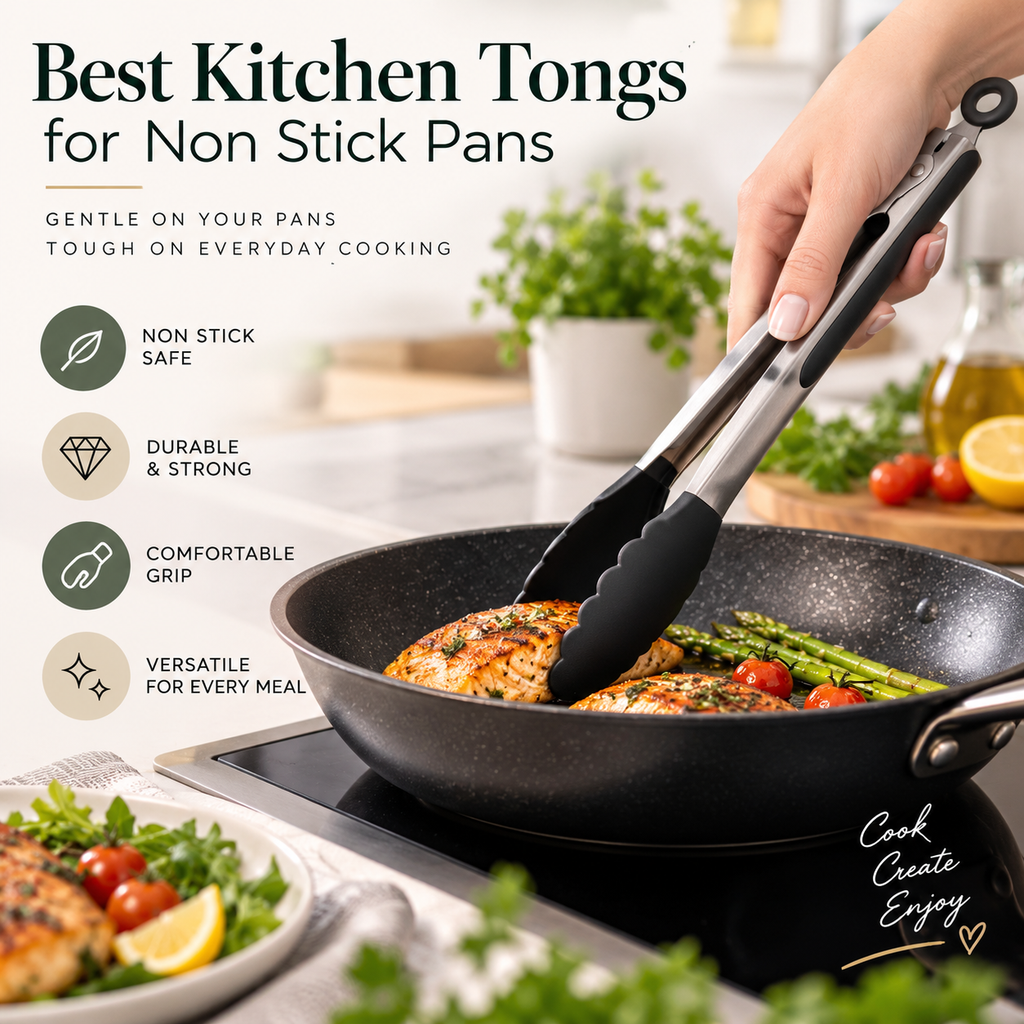
If you own a non stick pan, you already know the golden rule. Never touch it with sharp metal. One wrong scrape and that smooth coating starts to peel. That is why picking the best kitchen tongs for non stick pans matters more than most people think. The wrong pair can ruin an expensive pan in just a few weeks.
This guide is written to be simple and clear. No confusing words. No fluff. Just real, honest advice on what to buy, what to avoid, and how to make your tongs and your pans last for years.
Why Your Tongs Choice Actually Matters
Think about a non stick pan like a phone screen. It has a thin protective coating on top. That coating is what stops your eggs from sticking and your pancakes from tearing apart. But that coating is soft. It cannot fight back against hard metal edges.
Regular steel tongs, the kind your grandmother used, have sharp scalloped edges. They grip food well, but they also scratch coatings every single time you use them. Over weeks and months, tiny scratches turn into big bare patches. Food starts sticking again. The pan is basically ruined.
So the best kitchen tongs for non stick pans are not just a nice extra. They protect an investment you already paid for. A good pan can cost thirty to eighty dollars. A good pair of tongs costs a fraction of that and saves the pan for years.
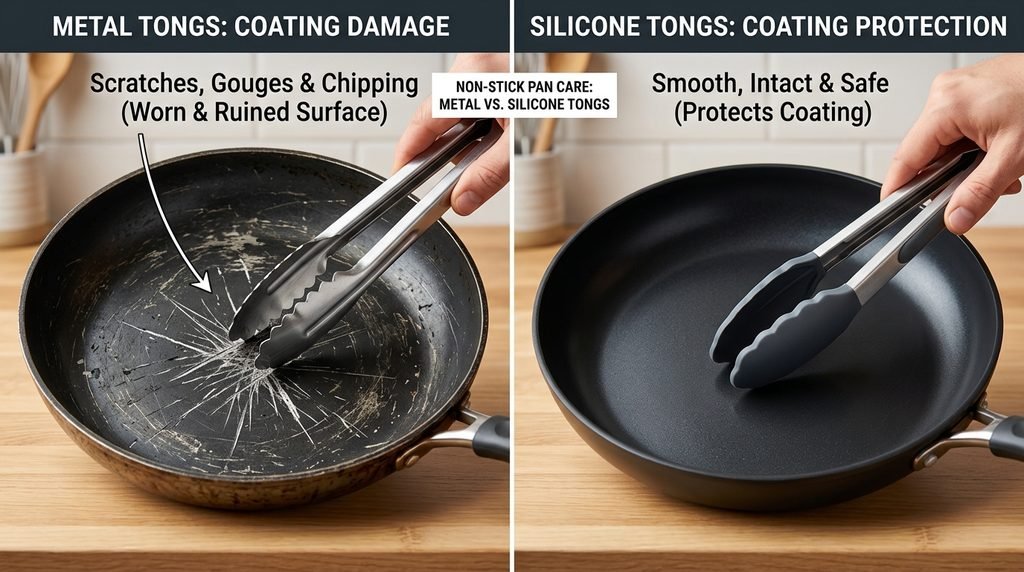
What Actually Makes Tongs Safe for Non Stick Cookware
There are three things that decide if tongs are safe for your pans.
The tip material. This is the part that touches your pan. Safe tips are made from silicone, nylon, or wood. Unsafe tips are bare stainless steel with sharp scalloped edges.
The tip hardness. Not all silicone is equal. Cheap silicone can still feel stiff and scratchy. Good silicone should feel soft and slightly squishy when you press it with your thumb.
The handle grip. This does not touch the pan, but it affects how much control you have. Poor grip means your hand slips, and a slipping tong can accidentally knock against the pan edge or drop hot food.
Silicone Tip Tongs
Silicone tip tongs have a stainless steel body with soft silicone covering the head. They are the most popular choice for non stick pans because the silicone flexes and cushions instead of scraping. Most silicone tips can handle heat up to 450 to 600 degrees Fahrenheit, which is more than enough for stovetop cooking.
Nylon Tip Tongs
Nylon tip tongs work in a similar way but the tips are made of hard plastic instead of rubbery silicone. Nylon is a bit firmer, so it grips slippery food like pasta or wet chicken very well. The tradeoff is that nylon tips usually melt at lower temperatures, often around 400 degrees Fahrenheit, so they are not great near an open flame or broiler.
Wood or Bamboo Tip Tongs
These are less common but growing in popularity. Wood tips are naturally gentle on coatings and they look nice too. The only downside is wood needs hand washing instead of the dishwasher, or it can crack over time.
Our Top Picks for the Best Kitchen Tongs for Non Stick Pans
We tested and researched dozens of tong sets, read hundreds of buyer reviews, and compared them against real cooking situations like flipping eggs, turning bacon, and tossing pasta. Here are three that stood out.

Hotec Stainless Steel Locking Kitchen Tongs for Cooking & Serving, Set of 2
1. OXO Good Grips 9 Inch Locking Tongs with Nylon Heads
This is one of the most trusted names in kitchen tools, and for good reason. The nylon heads are scalloped just enough to hold food firmly without ever scratching a coated pan. The handle has a soft, non slip grip that feels comfortable even during long cooking sessions. A simple pull ring locks the tongs shut for easy drawer storage.
2. OXO Good Grips 12 Inch Tongs with Nylon Heads
Same trusted design as the 9 inch version, just longer. The extra length is great for deep pots, grilling, or keeping your hand further from the heat. If you cook a lot of stir fry or deep pan meals, the longer reach makes a real difference.
3. Gorilla Grip Stainless Steel Tongs with Silicone Tips, Set of 2
This set gives you two sizes in one purchase, which is a great value pick. The silicone tips are soft and scratch free, and the handle has a rubbery, slip resistant coating that feels secure even with wet or oily hands. Many buyers use these daily for air frying, salads, and stovetop cooking.

GORILLA GRIP Stainless Steel Kitchen Tongs for Cooking, 2 PK, Black
What Most Other Guides Get Wrong or Leave Out
We read through many popular articles on this topic while researching this guide, and almost all of them missed a few things that actually matter a lot to real cooks. Here is what we added that others skip.
They Rarely Explain the Silicone Squish Test
Most articles just say “buy silicone tip tongs” and stop there. But not all silicone is the same quality. Here is a simple test you can do in the store or right after your order arrives. Press your thumbnail into the tip. If it dents and springs back easily, the silicone is soft and safe. If it feels almost as hard as plastic, it can still leave light scratches over time, especially on thinner or older non stick coatings.
They Do Not Mention Silicone Breaking Down From Heat Swings
A common complaint buried in reviews, but rarely covered in articles, is that cheap silicone tips can crack or peel away from the metal frame after repeated heat cycles. This usually happens with tongs that are dropped directly into a hot pan or left resting on a stovetop burner. The fix is simple. Never leave your tongs sitting directly on a hot burner or grill grate, even for a minute.
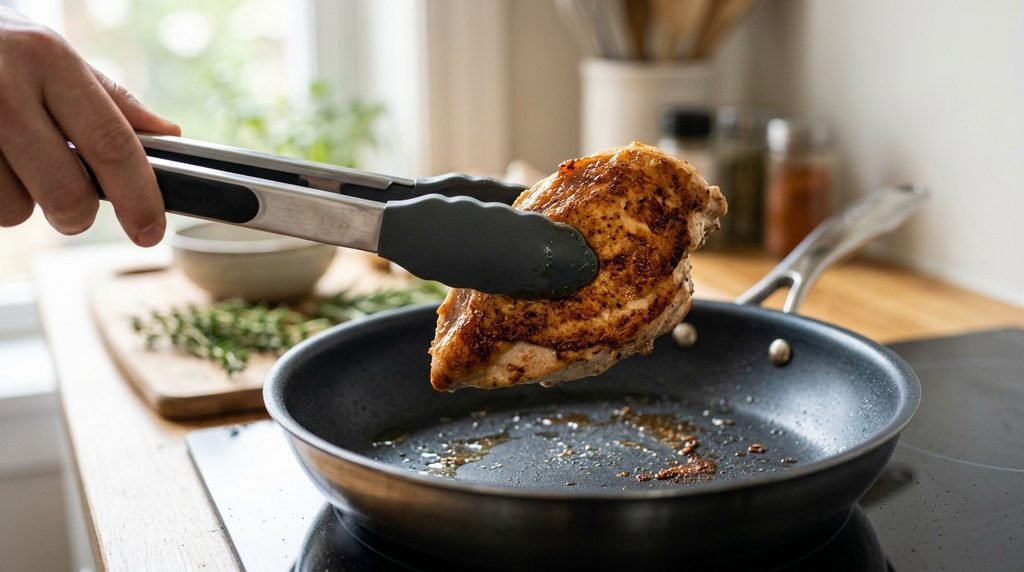
They Skip the Difference Between Ceramic Coated and Traditional Non Stick Pans
Ceramic coated pans are actually more delicate than traditional Teflon style coatings. If you own a ceramic pan, silicone tips are strongly preferred over nylon, because nylon tips can be slightly firmer and more likely to leave faint marks on ceramic surfaces over time.
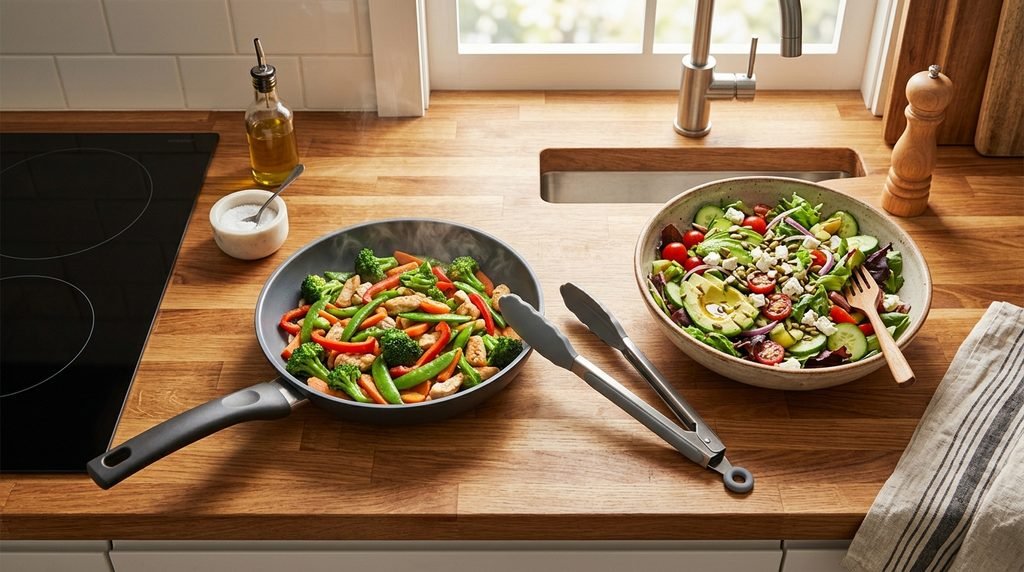
They Forget to Mention Storage Habits That Cause Damage
Throwing tongs into a drawer full of sharp knives or metal whisks can chip the silicone tips before you even use them on a pan. A locking mechanism is not just for saving space. It protects the tip material from other utensils.
They Rarely Talk About the Scalloped Edge Trap
Some silicone or nylon tongs still have sharp scalloped ridges molded into the tip, just made of plastic instead of metal. These ridges are meant to grip food, but overly sharp ridges can still leave faint scuff marks on very soft coatings after months of daily use. Look for tongs with rounded, gentle ridges rather than deep, pointed ones.
How to Choose the Right Size
Size matters more than people expect.
- 7 to 9 inches is best for everyday stovetop cooking like eggs, bacon, and vegetables. It fits comfortably in most hands and stores easily in drawers.
- 12 inches is better for grilling, deep pots, or keeping your hand away from splattering oil.
- Mini tongs (under 7 inches) work well for salads, garnishes, or serving small snacks at the table.
If you only buy one pair, 9 inches is the safest all around choice for most home kitchens.
Simple Care Tips to Make Your Tongs Last Longer
- Hand wash silicone and nylon tips occasionally, even if they say dishwasher safe, to slow down wear.
- Never use tongs to scrape stuck food off a pan. Use a soft silicone spatula instead.
- Store tongs locked shut so the tips do not rub against other utensils.
- Replace tongs once the tips feel hard, cracked, or start peeling away from the frame.
- Keep tongs away from direct flame contact, even briefly.
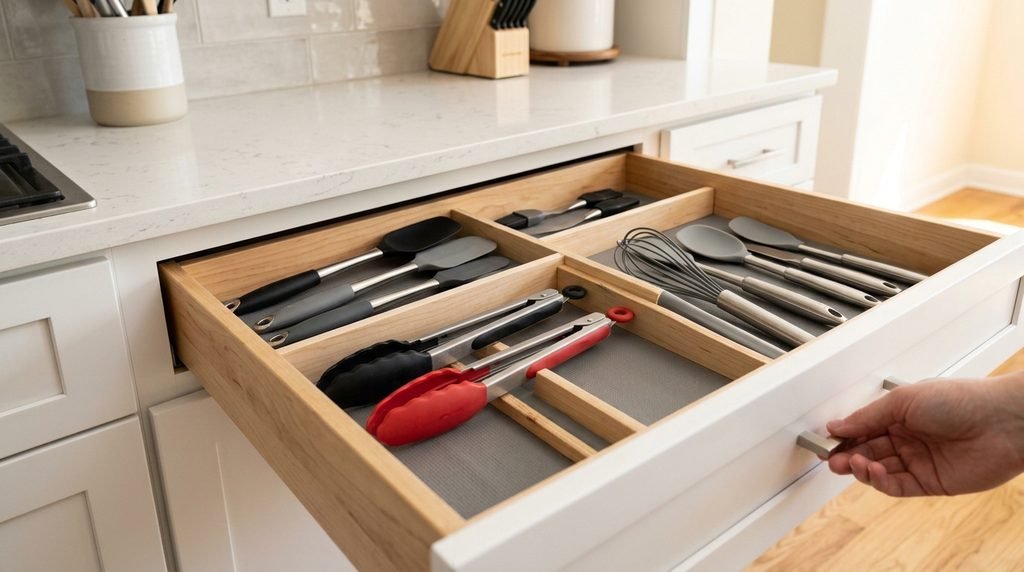
A Quick Checklist Before You Buy
Ask yourself these questions before adding any tongs to your cart.
- Does the tip feel soft when pressed, not hard or brittle
- Is the tip made from silicone, nylon, or wood, not bare metal
- Does the handle have a comfortable, non slip grip
- Does it come with a locking mechanism for storage
- Is the length right for how you actually cook
If you can answer yes to all five, you have found a safe, reliable pair.
Frequently Asked Questions
Can I use regular metal tongs on a non stick pan?
No. Bare metal tongs, even ones without super sharp edges, can slowly scratch and wear down non stick coatings over time. Always use silicone, nylon, or wood tipped tongs on coated cookware.
Are silicone tongs better than nylon tongs?
Both are safe for non stick pans. Silicone is softer and handles higher heat, which makes it better for stovetop and oven use. Nylon grips slippery food a bit more firmly but can melt at lower temperatures, so it is better suited to lighter cooking tasks.
What temperature can silicone tongs handle?
Most quality silicone tongs are rated for 450 to 600 degrees Fahrenheit. Always check the product details, since cheaper brands sometimes rate lower.
How do I know when to replace my tongs?
If the tip feels hard, cracked, or starts separating from the metal frame, it is time to replace them. Damaged tips can scratch your pans just like bare metal.
Is it safe to put silicone tip tongs in the dishwasher?
Most are dishwasher safe, but hand washing occasionally helps the silicone stay soft and flexible for longer.
What size tongs should I buy for everyday cooking?
A 9 inch pair covers most daily cooking needs, from flipping eggs to turning chicken breasts. Add a 12 inch pair later if you grill often or use tall pots.
Final Thoughts
Choosing the best kitchen tongs for non stick pans really comes down to one simple rule. Keep bare metal away from your coated cookware. Silicone and nylon tips do the same job as steel, without the damage. Pick a pair with soft tips, a comfortable grip, and the right size for how you cook, and your pans will stay in great shape for years.
If you are setting up your kitchen with more tools that protect your cookware, take a look at our guides on kitchen appliances, home essentials, and our picks for a small air fryer for tight counters. Pairing the right tools together, like a gentle set of tongs and a reliable kitchen scale or a sharp, well kept knife from our knife sharpener guide, makes everyday cooking easier and keeps your cookware lasting longer.