Ceramic vs Stainless Steel Pans for Daily Cooking: Which One Should You Buy?
Picking a pan sounds like a small choice. But if you cook every day, the wrong pan can make cooking feel like a chore. Eggs stick. Cleanup takes forever. Or the pan wears out in a year and you are back at the store.
This guide compares ceramic vs stainless steel pans for daily cooking in plain terms. No confusing jargon. Just what each pan does well, where it falls short, and which one fits your kitchen.
Quick answer: If you want a pan that lasts for years and handles almost any cooking job, pick stainless steel. If you want an easier pan for eggs, pancakes, and quick cleanup, and you do not mind replacing it every couple of years, pick ceramic. Many home cooks end up owning one of each.
What Is a Ceramic Pan?
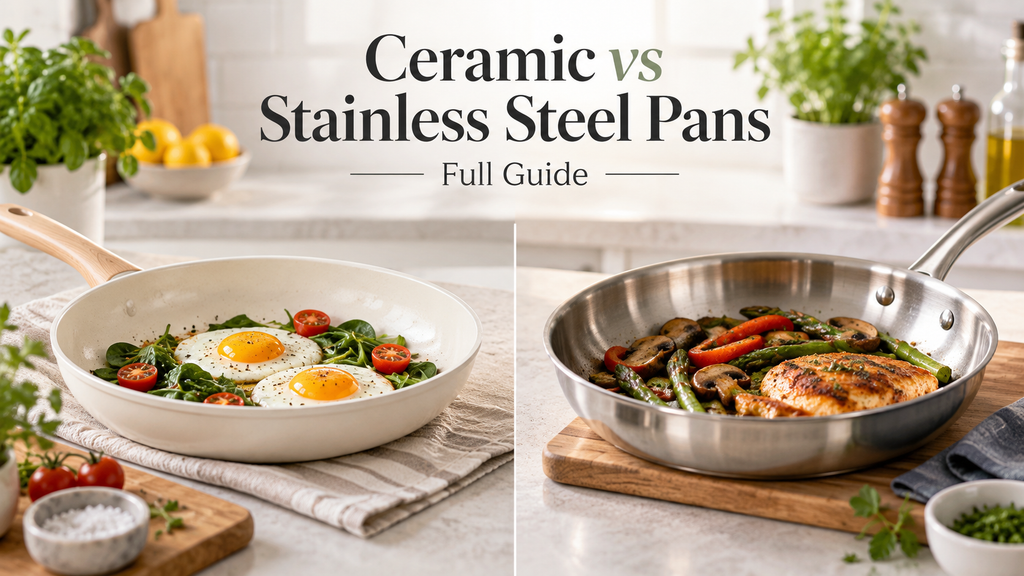
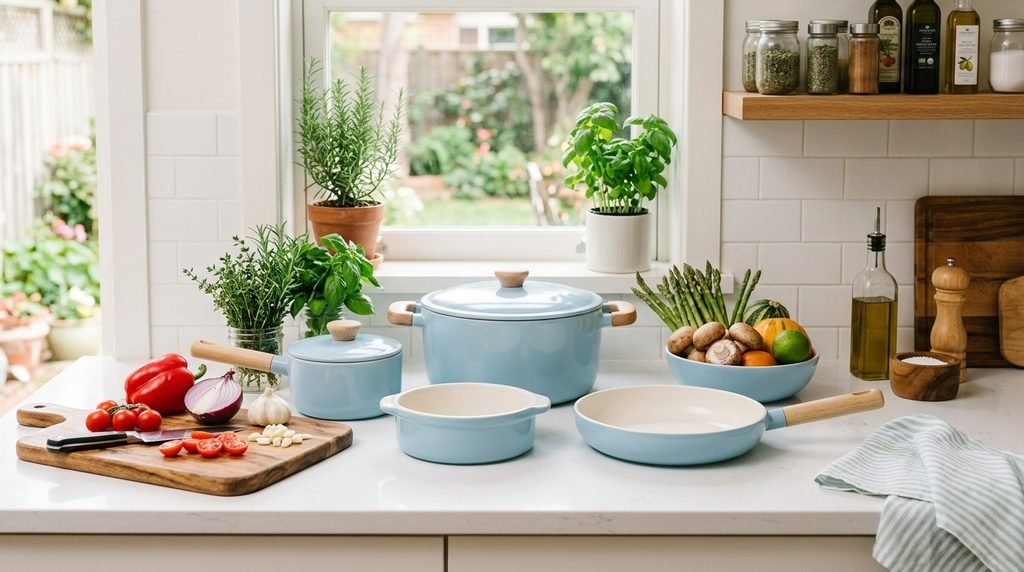
A ceramic pan is usually a metal pan, often aluminum, with a smooth coating on top. That coating is made mostly from sand based materials. It is not a solid clay pot like the dishes you might picture.
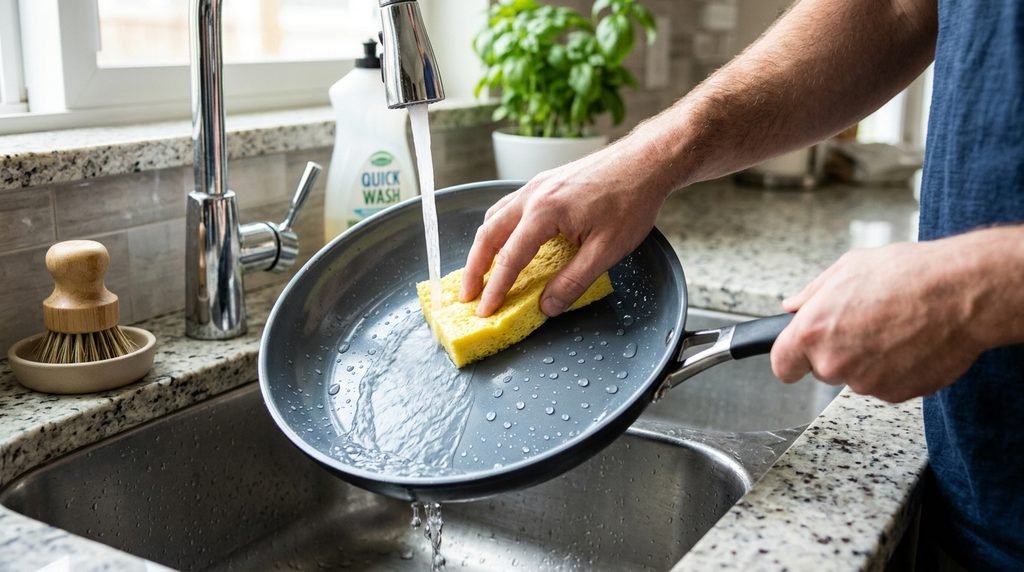
The coating makes food slide off easily. You need little or no oil to cook eggs or pancakes. Cleanup is quick, often just a wipe with a sponge.
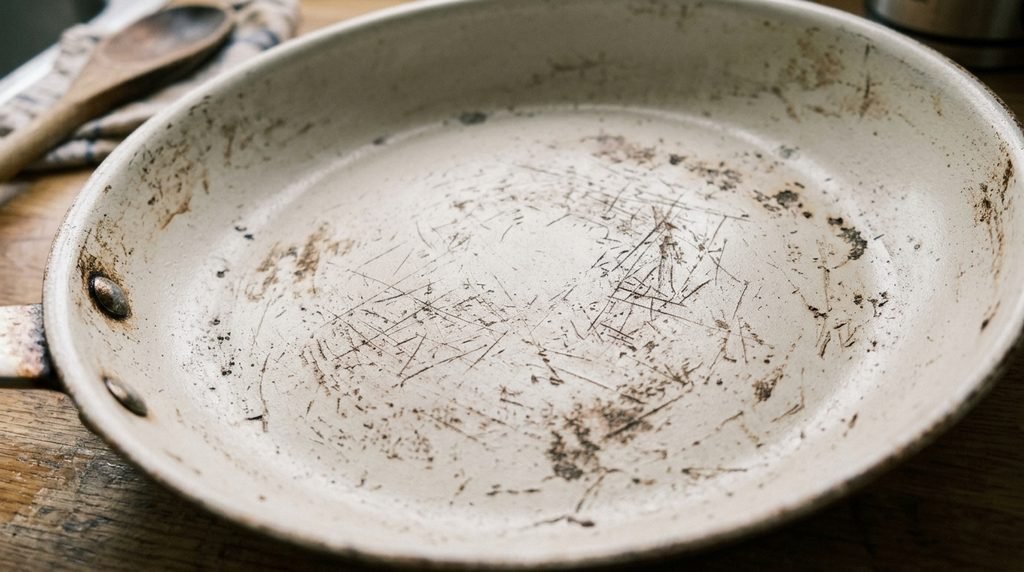
The catch is that this coating wears down over time. Even with careful use, most ceramic pans start losing their nonstick feel after a year or two.
What Is a Stainless Steel Pan?
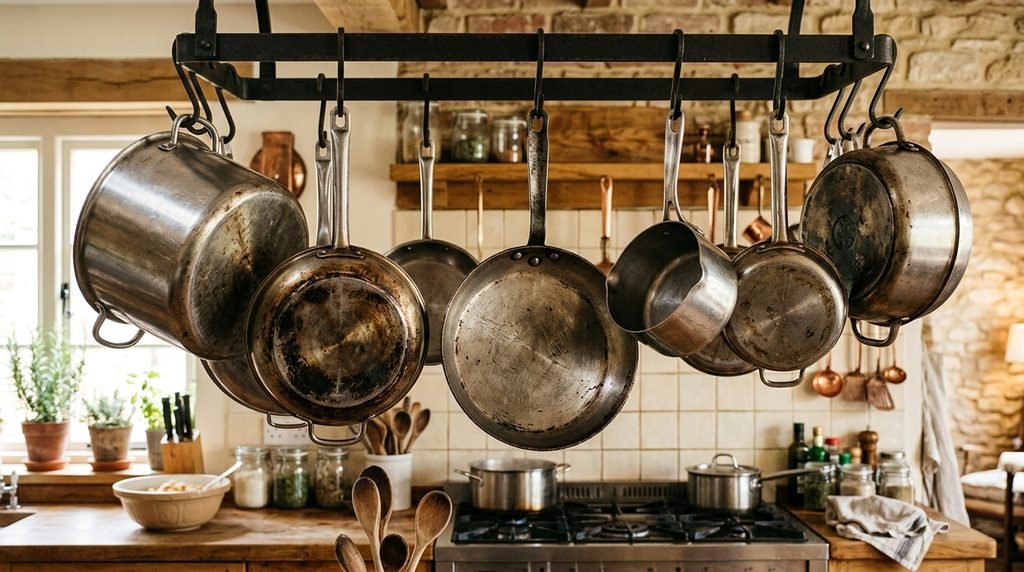
A stainless steel pan is made from layers of metal, usually steel on the outside with aluminum or copper in the middle. This layered build is often called tri ply or three ply construction. The metal layers help the pan heat evenly instead of forming hot spots.
Stainless steel has no coating to wear off. There is nothing to scratch away. That is why a good stainless steel pan can last for decades with normal care.
The tradeoff is that food can stick if you do not preheat the pan or use enough oil. It takes a bit of practice to use one well.
Ceramic vs Stainless Steel Pans for Daily Cooking: Side by Side
Here is how the two compare on the things that matter most for everyday use.
| What You Care About | Ceramic Pan | Stainless Steel Pan |
|---|---|---|
| Sticking | Very low at first, increases with age | Low once preheated correctly |
| Cleanup | Quick wipe, little scrubbing | Needs a soak or scrub sometimes |
| Lifespan | Around 1 to 3 years of daily use | Often 10 years or more |
| High heat searing | Not recommended, coating can break down | Excellent, built for high heat |
| Weight | Usually lighter | Usually heavier |
| Price | Lower upfront cost | Higher upfront cost |
| Oven use | Safe up to a certain temperature, check label | Safe at very high temperatures |
| Acidic foods like tomato sauce | Fine | Fine, does not react with food |
| Metal utensils | Not safe, scratches the coating | Safe to use |
Which One Is Safer to Cook With Every Day?
This is one of the biggest questions people search for, so let’s answer it directly.
Both ceramic and plain stainless steel pans are considered safe for daily cooking by health and safety experts. Ceramic coatings are usually made without PFAS chemicals, the group that includes PTFE, and the FDA has stated that PFAS use in cookware presents no known safety concern for consumers under normal use.
That said, Consumer Reports found that some cookware marketed as nontoxic still tested positive for PFAS chemicals, so the brand matters more than the label. If you want to avoid these chemicals completely, a plain stainless steel pan with no coating is the simplest choice, since there is nothing to break down or question.
For a closer look at how these coatings are made and tested, Misen’s guide on ceramic nonstick safety breaks down what happens to the coating as it ages.
Which Pan Is Better for Beginners?
If you are new to cooking, ceramic feels easier at first. Eggs slide right off. You do not need to think about oil or timing.
Stainless steel has a small learning curve. The trick is simple once you know it:
- Put the empty pan on medium heat for one to two minutes.
- Add a small amount of oil or butter.
- Wait until the oil shimmers or the butter stops foaming.
- Add your food.
If you follow these steps, food releases from stainless steel almost as easily as ceramic, and the pan will still be working perfectly ten years from now.
How Long Does Each Pan Really Last?
Most articles gloss over this, so here are realistic numbers based on daily home use, not occasional cooking.
A ceramic pan used once a day usually holds its nonstick surface well for about one year. By year two or three, you will likely need more oil and see some sticking, even with gentle care. Most people replace ceramic pans every one to three years.
A stainless steel pan has no coating to wear out. With normal care, hand washing when possible and avoiding empty preheating on very high heat, a quality stainless steel pan can last ten, twenty, even thirty years. Many people inherit stainless steel pans from parents that still work perfectly.
If you divide the price by how many years the pan lasts, stainless steel is almost always cheaper per year of use, even though it costs more upfront.
Best Foods for Each Pan
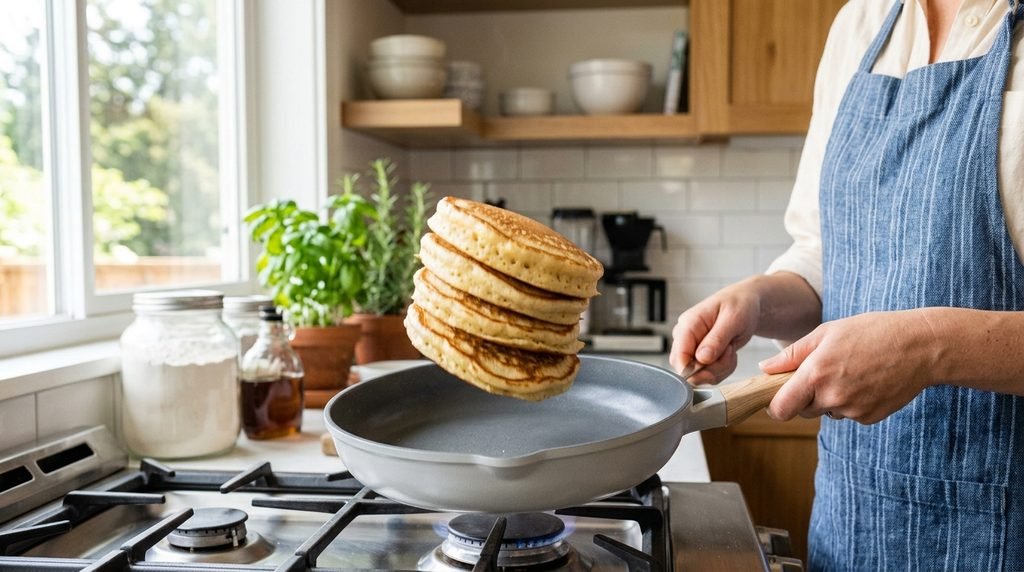
Ceramic works best for:
- Eggs and omelets
- Pancakes and crepes
- Fish fillets
- Reheating leftovers with little oil
Stainless steel works best for:
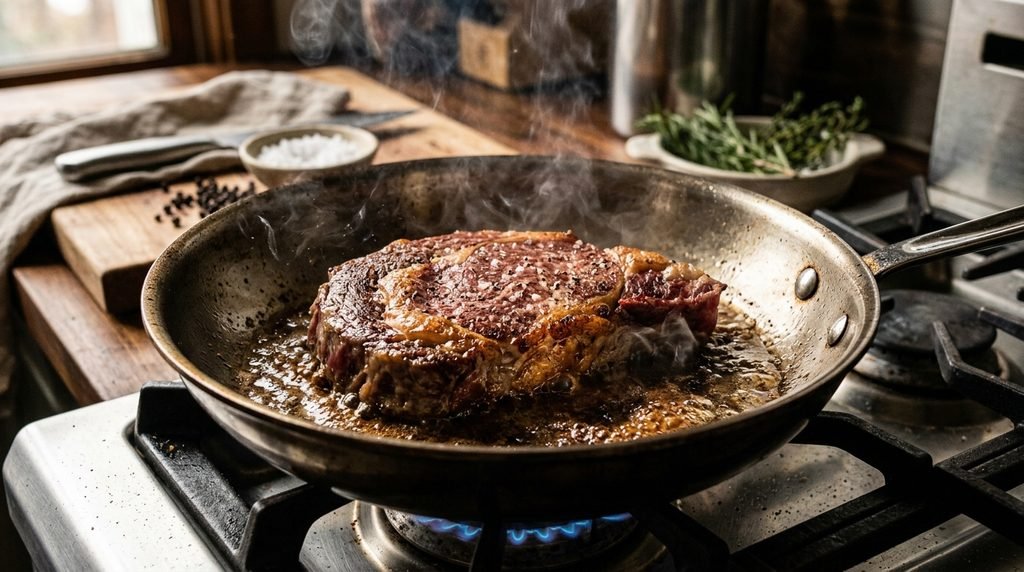
- Searing steak or chicken for a golden crust
- Browning meat for stews or sauces
- Tomato based sauces, since it will not affect the taste
- Deglazing a pan to make a quick pan sauce
- Anything that needs high heat, like stir fry
Common Mistakes People Make With Each Pan
Ceramic mistakes:
- Using metal spatulas, which scratch the coating
- Cooking on high heat, which wears the coating out faster
- Putting a hot pan under cold water, which can crack the coating
- Using cooking sprays, which leave a sticky film that is hard to remove
Stainless steel mistakes:
- Adding food before the pan is properly preheated
- Using too little oil
- Moving food around too soon instead of letting it release naturally
- Assuming it needs to be replaced when food sticks, when usually it just needs more heat or oil
Weight, Handling, and Everyday Comfort
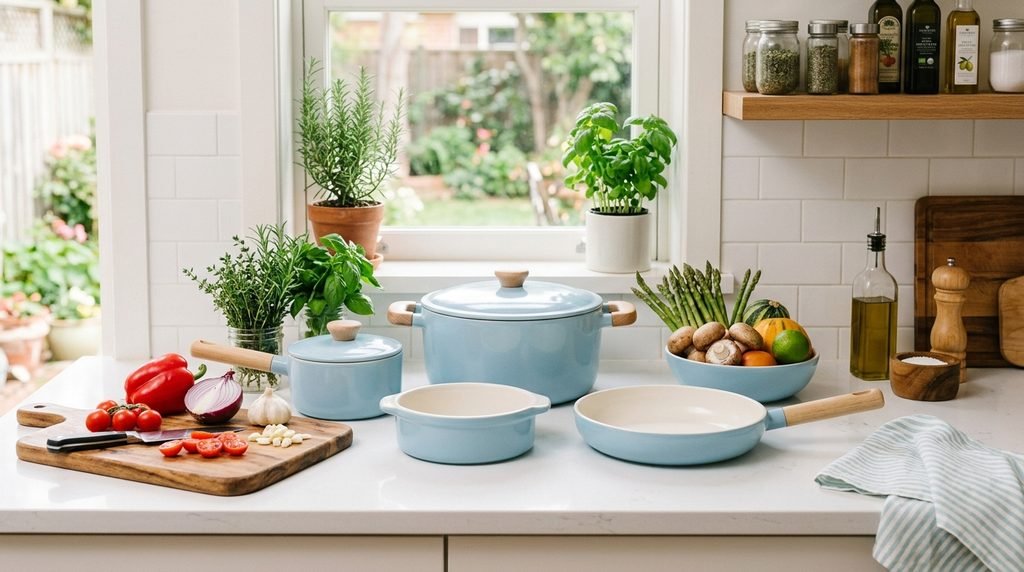
This is a detail most guides skip, but it matters if you cook daily. Ceramic pans are usually lighter, which is easier for kids, older adults, or anyone with wrist or shoulder pain. Stainless steel pans, especially the tri ply kind, are heavier, which actually helps with even heating but can feel tiring for long cooking sessions like big family meals.
If lifting a full pot is a daily struggle, a lighter ceramic pan for smaller meals is worth keeping around, even if stainless steel is your main pan.
Does It Work on My Stove? Induction and Other Cooktops
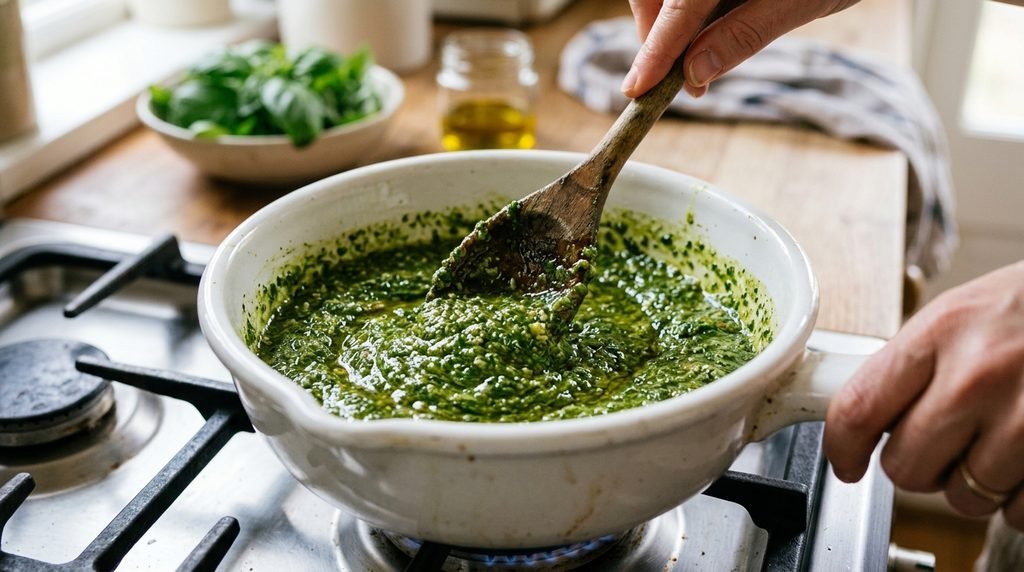
Both ceramic and stainless steel pans can work on induction stoves, but only if the base of the pan contains magnetic metal, usually stainless steel or iron. Always check the product listing for “induction compatible” before buying, since some ceramic pans with an aluminum base do not work on induction stoves.
Stainless steel pans almost always work on every stove type, including gas, electric, glass top, and induction. This is one more reason they are considered the more universal choice for daily cooking.
Which One Should You Buy First?
If you are building a kitchen from scratch, here is a simple funnel to help you decide.
If you only want to buy one pan: Choose a stainless steel skillet. It handles the widest range of daily meals and will not need replacing for years.
If you want the easiest pan for breakfast foods: Add a ceramic pan for eggs, pancakes, and quick reheats.
If you cook for a family every day: Consider owning both, a stainless steel pan for searing and sauces, and a smaller ceramic pan for gentle, low mess cooking.
Our Picks for Daily Cooking
Here are three solid options if you want to start shopping today.

CAROTE Nonstick Frying Pans Skillets, 5 PCS Ceramic Coating Pans Set
If you want to try a ceramic pan without spending much, the CAROTE 10 Inch Ceramic Frying Pan with Lid is a simple, affordable option that is free from PFOA and PFAS and works on induction stoves.
For a stainless steel pan that will last for years, the Tramontina 8 Inch Tri Ply Clad Stainless Steel Frying Pan is a well reviewed, budget friendly choice that works on every stove type, including induction.

Amazon Basics Ceramic Nonstick Cookware Set with Detachable Handles, 11-Piece Stackable, All Cooktop Friendly, Oven-Safe, Dishwasher-Safe, Includes Saucepan, Frying Pan, Ivory
If you are setting up a full kitchen and want a mix of sizes in one purchase, the Amazon Basics 11 Piece Ceramic Nonstick Pots and Pans Set covers saucepans, a sauté pan, and a frying pan, all in one affordable bundle.
Actionable Tips for Whichever Pan You Choose
- Always let stainless steel pans preheat for a full minute before adding oil.
- Never use cooking spray on ceramic pans, use liquid oil or butter instead.
- Hand wash both pan types when you can, even if they say dishwasher safe, to make them last longer.
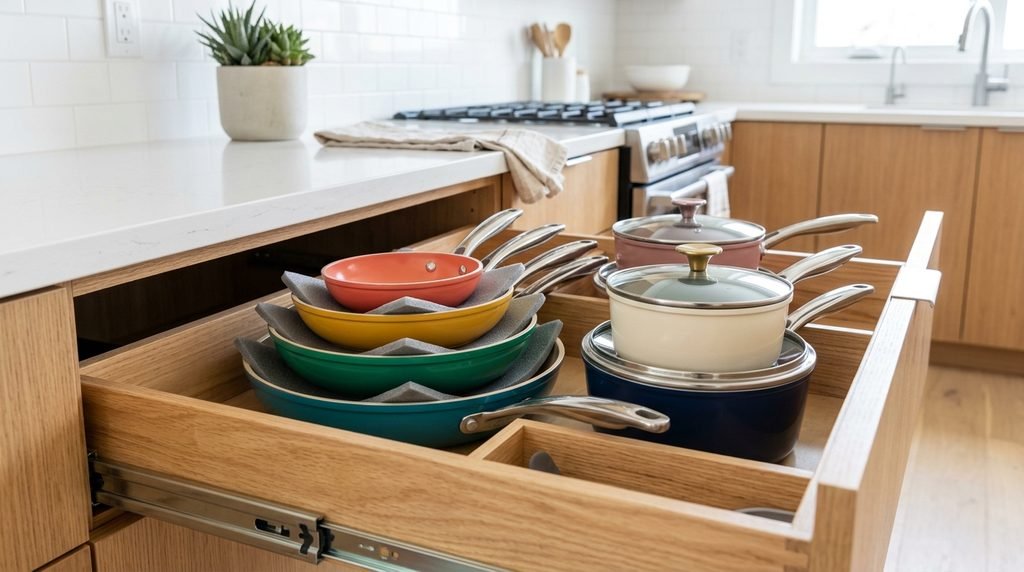
- Store pans with a soft cloth or paper towel between them to avoid scratches.
- Replace a ceramic pan once you see it sticking even with extra oil, since that means the coating has broken down.

Tramontina Signature Tri-Ply Clad Stainless Steel 8-Inch Small Frying Pan
Ceramic vs Stainless Steel Pans for Daily Cooking: Final Take
There is no single winner in the ceramic vs stainless steel pans for daily cooking debate. Stainless steel wins on durability, versatility, and long term value. Ceramic wins on ease of use and lighter cleanup, especially for beginners and delicate foods like eggs.
The best kitchens usually have both. Start with one good stainless steel pan you can use for almost everything, then add a ceramic pan once you know what kind of cooking you do most.
FAQs
Is ceramic or stainless steel better for everyday cooking?
Stainless steel is better for most everyday cooking because it lasts longer and handles more types of food. Ceramic is better if you want an easier pan for eggs and quick meals and do not mind replacing it every couple of years.
Is ceramic cookware safe to use every day?
Yes. Ceramic coatings from reputable brands are generally made without PFAS chemicals and are considered safe for daily use as long as the coating is not cracked or badly scratched.
Why does food stick to my stainless steel pan?
This usually happens because the pan was not preheated enough or there was not enough oil. Preheat the empty pan for a minute, then add oil before adding food.
How long do ceramic pans really last?
Most ceramic pans keep their nonstick surface for one to three years with daily use. After that, sticking usually increases even with careful care.
Can I use metal utensils on stainless steel pans?
Yes. Stainless steel has no coating, so metal utensils will not damage it. Metal utensils should never be used on ceramic pans.
Do I need both a ceramic pan and a stainless steel pan?
Not always, but many home cooks find it helpful. A stainless steel pan handles searing and sauces, while a ceramic pan makes eggs and quick meals easier.