Garden Trowel With Measurements: How to Use One and Pick the Right One
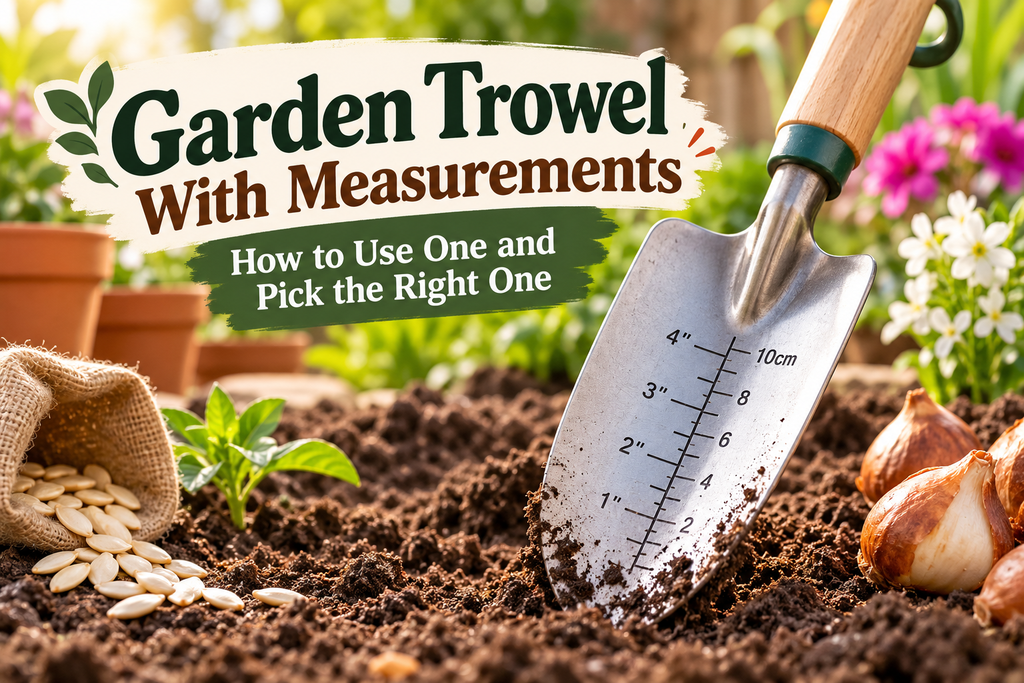
You dig a hole. Then you stop and wonder, “Is this deep enough?”
Most of us guess. But depth matters more than you think. Colorado State University Extension says vegetable seeds buried too deep will not sprout. Bulbs planted too shallow can have a hard time too.
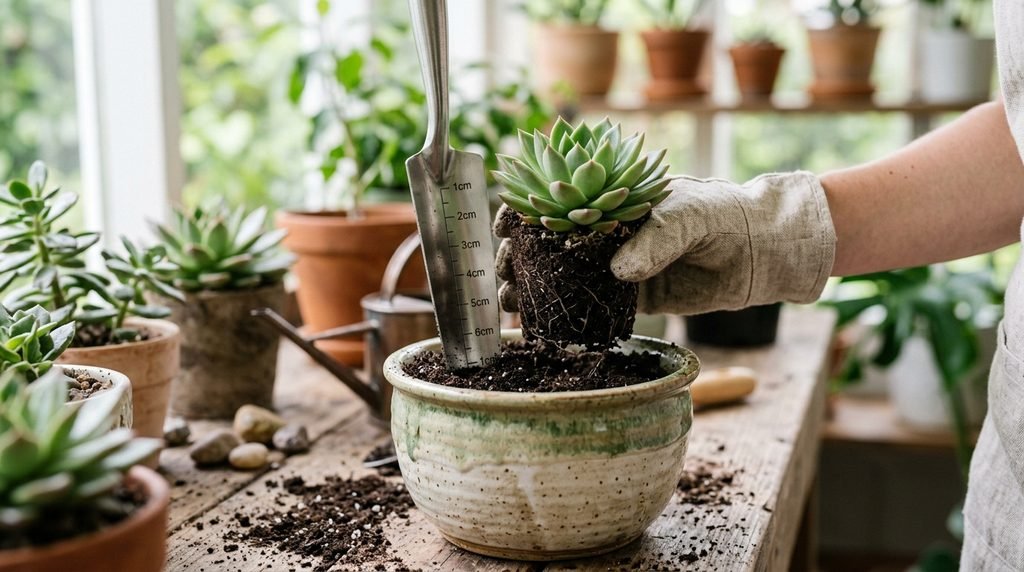
That is why a garden trowel with measurements is so handy. It has numbers right on the blade. No ruler. No guessing. You dig, you look, and you know.
In this guide, you will learn how to read the marks, how deep to plant common things, and how to choose a good trowel. You will also get tips most guides skip.
Quick Answer: How Does a Garden Trowel With Measurements Work?
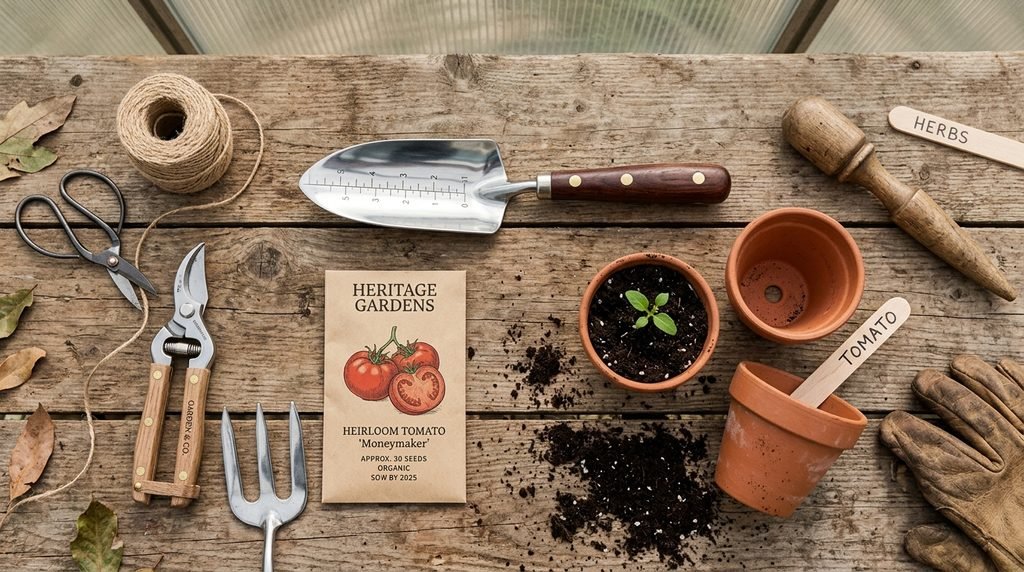
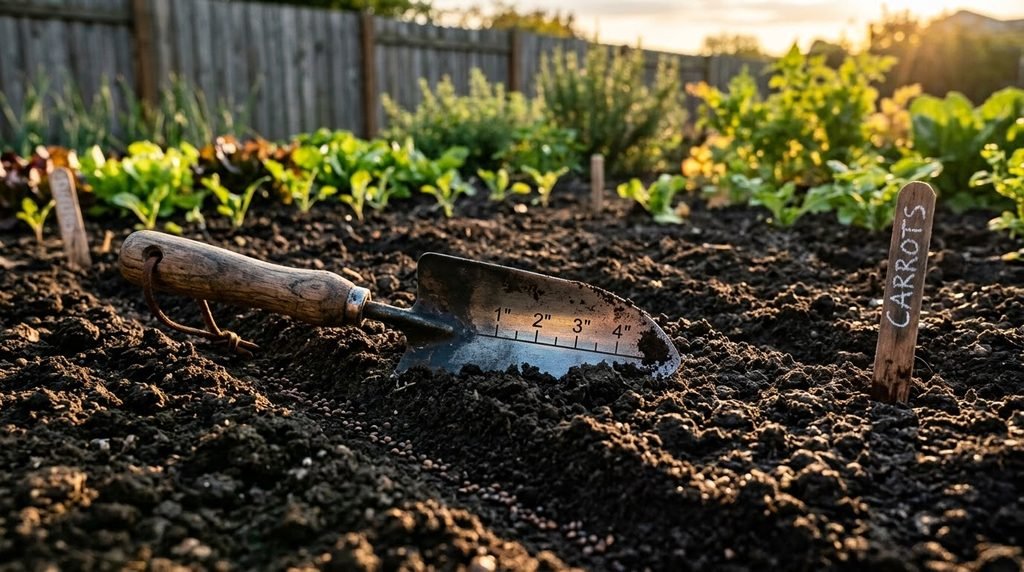
A garden trowel with measurements has depth marks etched on the blade. The tip is zero. Here is how to use it:
- Push the tip straight into the soil.
- Look at the blade where it meets the soil.
- That number is your hole depth.
- Stop when you reach the depth on your seed packet or bulb label.
That is all. Now let’s go deeper.
What Is a Garden Trowel With Measurements?
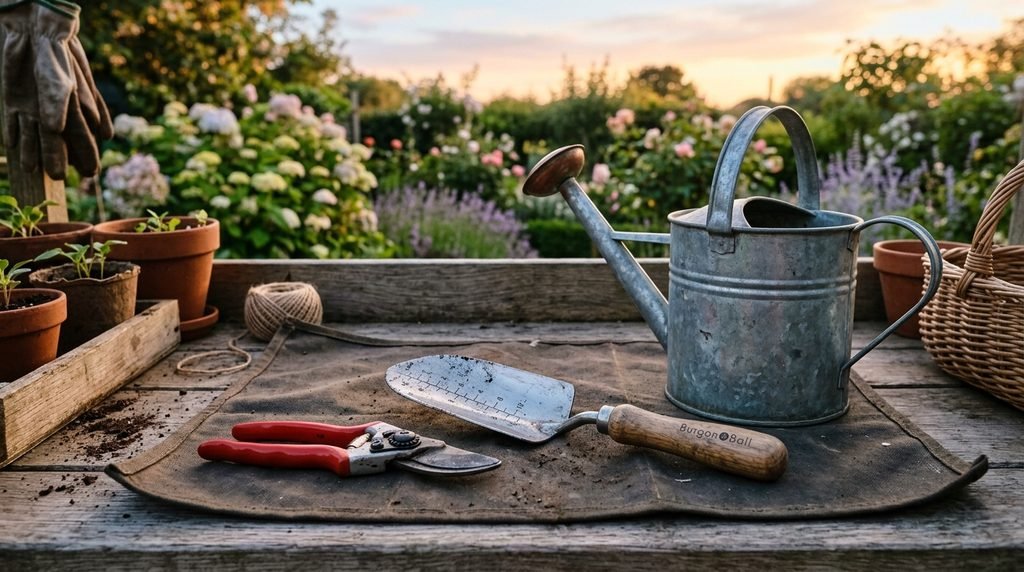
It is a small hand shovel with a ruler on the blade. The marks are usually in inches and centimeters. You may also see it called a measuring trowel or a transplanter trowel.
Here is something many guides do not tell you. The scale often stops at about 4 inches. Garden Gate magazine notes that most measuring trowels have 4 inch markings. Our own garden trowel with measurements has clear marks from 1 to 4 inches. That is perfect for seeds and small plants. Big bulbs need a little extra trick. I will show you that below.
How to Read the Marks (Step by Step)
Take a minute to try this once. It makes everything easier.
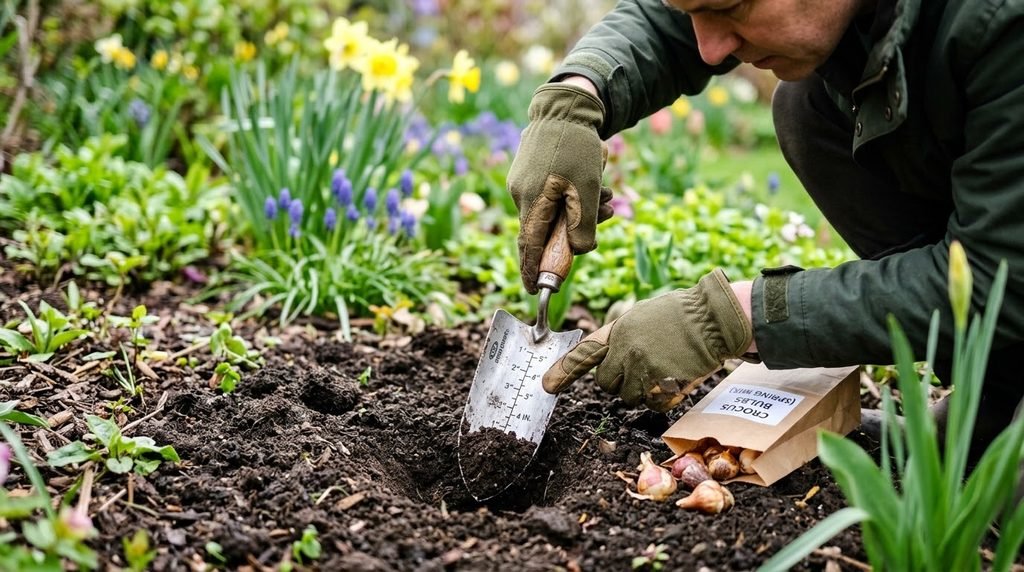
- Find zero. Zero is the tip of the blade.
- Pick flat ground. Measure from the normal soil level, not from a pile of loose dirt.
- Push the tip down. Keep the trowel straight, not tilted.
- Read the number at the soil line. If soil covers the marks, wipe it off with your glove.
- Scoop out the soil. Check the depth again.
- Stop at the right number. Then drop in your seed or bulb.
Quick test: Lay your trowel next to a ruler once. This shows you if the marks are close to correct. Then you can trust it.
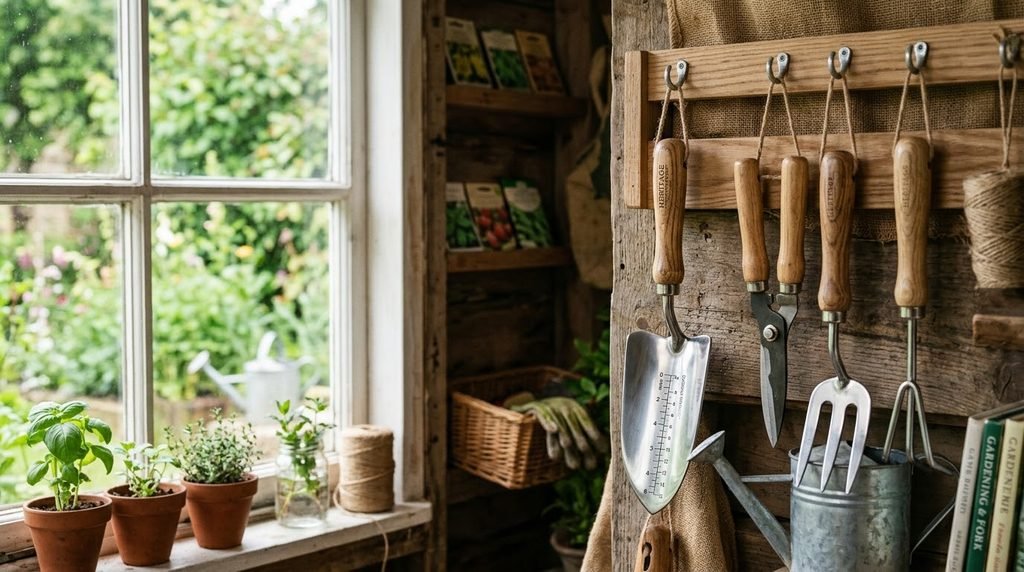
How Deep Should You Plant? A Simple Chart
Every plant is a little different. Always check the seed packet or bulb label first. If you do not have one, use these rules from university experts.
| What you are planting | Rough depth | In centimeters |
|---|---|---|
| Large bulbs (tulips, daffodils) | 6 to 8 inches | 15 to 20 cm |
| Small bulbs (crocus) | 3 to 4 inches | 7.5 to 10 cm |
| Most seeds | 2 to 3 times the seed’s width | Measure the seed first |
| Very tiny seeds | Barely covered, or on top | Light dusting of soil |
The Bulb Rule
University of Illinois Extension says to plant spring bulbs two to three times as deep as the bulb is tall. It also says to measure from the bottom of the bulb, not the top. Rutgers says large bulbs like tulips and daffodils go about eight inches deep. Small ones like crocus go three to four inches deep.
Here is an example from Penn State Extension. A tulip bulb that is two inches tall should go five to six inches deep.
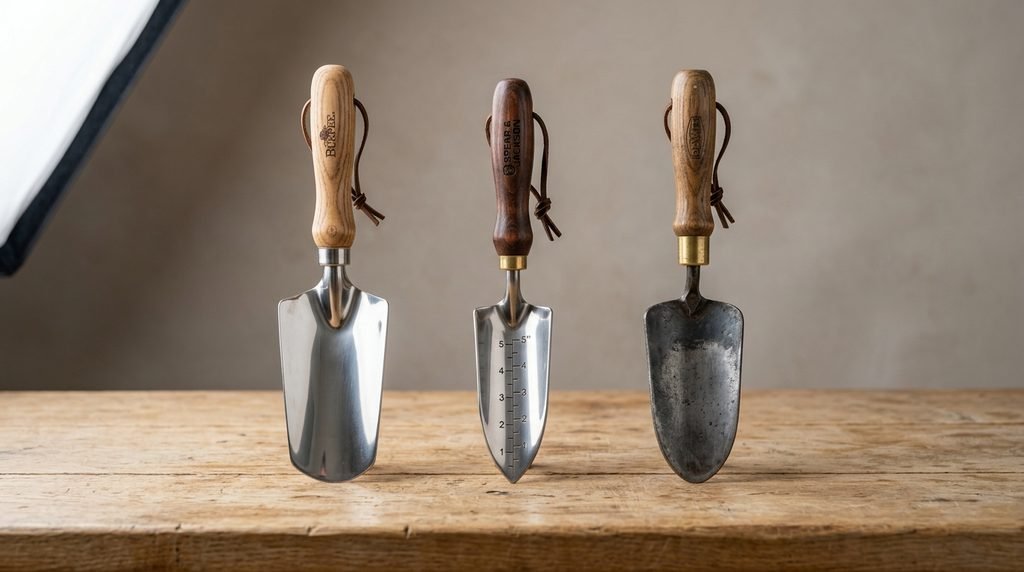
The Seed Rule
South Dakota State University Extension says most seeds should go two to three times as deep as the seed’s width. Very small seeds may need only a light covering of soil.
Here is an easy example. A seed that is 1/4 inch wide should go about 1/2 to 3/4 inch deep. Your trowel marks make that easy to check.
What If Your Trowel Only Measures to 4 Inches?
This is a big gap in other guides. Tulip bulbs need 6 to 8 inches. Your scale only goes to 4. What now?
Try this:
- Dig down to the 4 inch mark.
- Scoop out the loose soil.
- Push the tip into the bottom of the hole.
- Read the number again.
- Add the two numbers together.
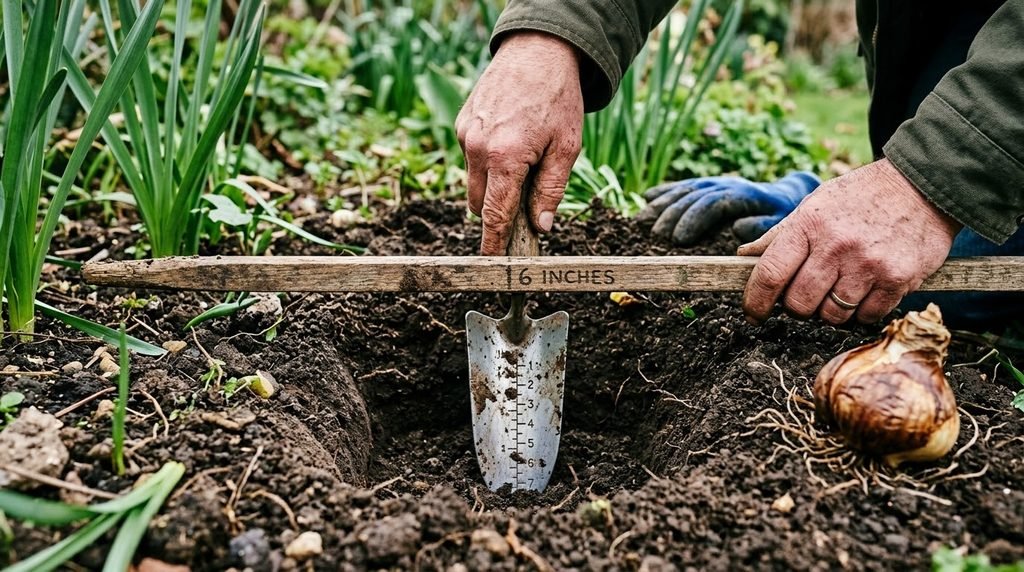
For example, 4 inches plus 3 more inches equals 7 inches. You can also lay a ruler or a straight stick across the hole to check.
One more tip: If you are planting lots of bulbs, do not dig one hole at a time. Rutgers says the best method is to dig and loosen the whole bed to the right depth. Use your trowel for a few bulbs, pots, and tight spots.
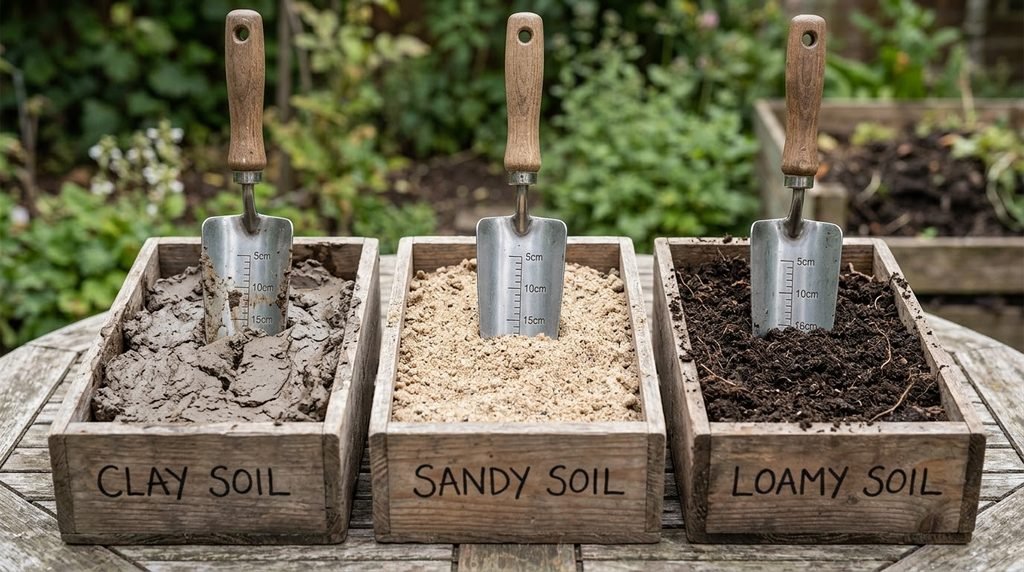
Inches to Centimeters Cheat Sheet
Your trowel may show both. Here is a quick guide.
- 1 inch = 2.5 cm
- 2 inches = 5 cm
- 3 inches = 7.5 cm
- 4 inches = 10 cm
- 6 inches = 15 cm
- 8 inches = 20 cm
How to Choose a Garden Trowel With Measurements
Not all trowels are the same. Look at these five things.
1. The Marks
Engraved marks are cut into the metal. They last longer than painted marks, which can wear off. Pick clear, deep marks you can read in bright sun.
2. The Blade Material
- Stainless steel: Resists rust. Good for most gardeners.
- Carbon steel: Very strong. Great for hard or rocky soil. It can rust if you do not dry it, so it needs a little care.
- Aluminum: Light. Good for small hands and pots.
3. The Blade Shape
A wide, curved blade scoops more soil. A narrow blade fits in tight spaces and small pots.
4. The Handle
You will hold this tool for a long time. Look for a soft, ergonomic grip or smooth wood. If your hand hurts after ten minutes, the handle is wrong for you.
5. The Size
Most are about 11 to 12 inches long. A hanging hole is nice for storage.
Our Top Picks
Here are three options with depth marks. Prices change, so check the listing before you buy.
Best for Hard Soil: Edward Tools Garden Trowel
This Edward Tools carbon steel trowel has depth markers and an ergonomic grip. The listing says it is made for heavy clay and rocky soil.

Kemaier Heavy Duty Gardening Hand Trowel – Stainless Steel Tool
Best All Purpose: WORKPRO 11 Inch Trowel
The WORKPRO 11 inch stainless steel trowel has a wooden handle. The listing says it is about 11 inches long and weighs 6.3 ounces. It also mentions measuring marks.
Best for Pots and Tight Spaces: WORKPRO Narrow Trowel
This narrow WORKPRO trowel has a stainless steel blade and a depth ruler. The narrow shape works well for containers.

WORKPRO 11″ Garden Hand Trowel, Heavy Duty Polished Stainless Steel
Our Own Pick: Mehreen Market Measuring Trowel
If you want a simple one, see the Garden Trowel with Measurements on our site. The listing says it has 1 to 4 inch marks, a carbon steel blade with an epoxy coating, a soft handle, and a hanging hole. Its curved shape helps you scoop soil into pots.
More Ways to Use It
A measuring trowel is not only for holes.
- Transplanting: Dig a hole to match the root ball. Many gardeners make it about twice as wide.
- Repotting: Scoop soil into pots. Use the marks to check how full the pot is.
- Seed trays: Leave about 1/4 to 1/2 inch of space below the rim, says SDSU Extension.
- Mixing: Blend compost into soil.
- Weeding: The pointed tip pops out small weeds.
Five Mistakes to Avoid
- Measuring from a soil pile. Always measure from flat ground.
- Planting every seed at the same depth. Big seeds go deeper than tiny ones.
- Measuring bulbs from the top. Measure from the bottom of the bulb.
- Hiding the marks. Wipe the blade clean so you can read it.
- Putting it away wet. Wet metal rusts fast.
How to Care for Your Trowel
Good care keeps the marks easy to read. University of California Extension has simple advice.
- Wipe off soil after each use.
- Dry the tool fully. Never store it wet.
- Add a light coat of oil to the metal.
- Rub linseed oil on a wooden handle a couple of times a year.
- Remove rust with steel wool or a wire brush.
Store it in a dry place. Hang it up if you can.
Make Gardening More Comfortable
Small things make a big difference.
- Wear gloves to protect your hands.
- Tie your hair back. A thick tortoise shell headband keeps hair out of your face while you bend over the soil.
- Take breaks. Stretch your wrists and back.
And when the garden is wet or the day is done, try a calm indoor hobby. A cordless electric diamond painting pen makes a quiet rainy day project. After a long day in the sun, treat your face to a collagen overnight peel off mask.
FAQs
What is a garden trowel with measurements used for?
It helps you dig holes to the right depth for seeds, bulbs, and plants. The marks on the blade work like a small ruler.
How deep should I plant with a trowel?
Follow the seed packet or bulb label first. As a rule, plant seeds two to three times as deep as the seed is wide. Plant spring bulbs two to three times as deep as the bulb is tall.
Are the marks on a trowel accurate?
They are usually close enough for gardening. Hold the trowel against a ruler once to check yours.
Can I measure deeper than 4 inches?
Yes. Dig to 4 inches, then measure again from the bottom of the hole and add the numbers. You can also use a ruler or stick.
Which is better, stainless steel or carbon steel?
Stainless steel resists rust. Carbon steel is stronger but needs to be dried and oiled. Pick stainless for easy care. Pick carbon steel for tough soil.
How do I stop my trowel from rusting?
Clean it, dry it fully, add a light coat of oil, and store it in a dry place.
Is a measuring trowel good for pots?
Yes. A narrow blade works best in small pots. The marks help you check soil depth.
Final Thoughts
A garden trowel with measurements takes the guessing out of planting. You dig, you read the number, and you know you got it right.
Start with your seed packet. Check your depth. Wipe the blade clean and dry it after each use. Do that, and your trowel will last for many seasons.
Ready to shop? See our garden trowel with measurements or browse more picks on Mehreen Market.