Best Moisturizer for Skin Barrier Repair After Retinol
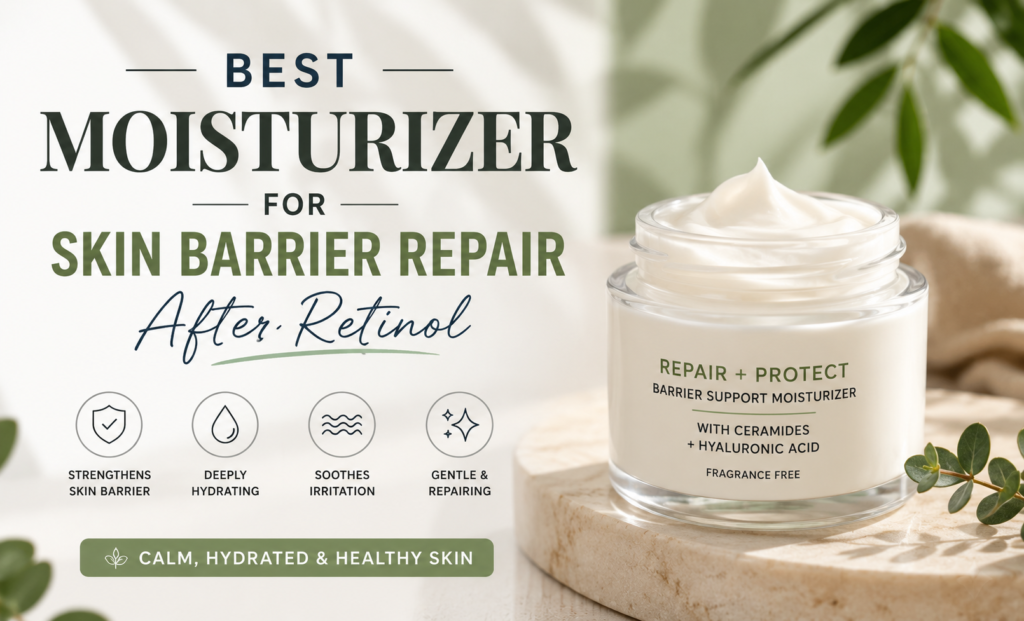
If your face feels tight, flaky, or stingy after using retinol, you are not alone. This happens to almost everyone who starts retinol, and the fix is simple. You need the best moisturizer for skin barrier repair after retinol, used the right way, at the right time.
In this guide, you will learn exactly what your skin barrier is, why retinol disturbs it, and which moisturizers actually help it heal. We kept the language simple on purpose. If a ten year old can follow these steps, so can you.
What Is Your Skin Barrier and Why Does It Matter?
Think of your skin barrier like the outer wall of a brick house. The bricks are your skin cells. The cement holding them together is a mix of fats called ceramides, cholesterol, and fatty acids.
This wall does two jobs. It keeps water inside your skin, and it keeps germs, dirt, and irritants outside. When the wall is strong, your skin looks smooth, calm, and hydrated. When the wall is damaged, water escapes faster than it should. Doctors call this transepidermal water loss. Your skin then feels dry, tight, and sometimes it stings when you apply any product at all.
The American Academy of Dermatology explains that a healthy skin barrier depends on gentle, consistent care rather than harsh products, which is exactly why picking the right moisturizer matters so much once you add retinol into your routine.
Why Retinol Weakens the Skin Barrier
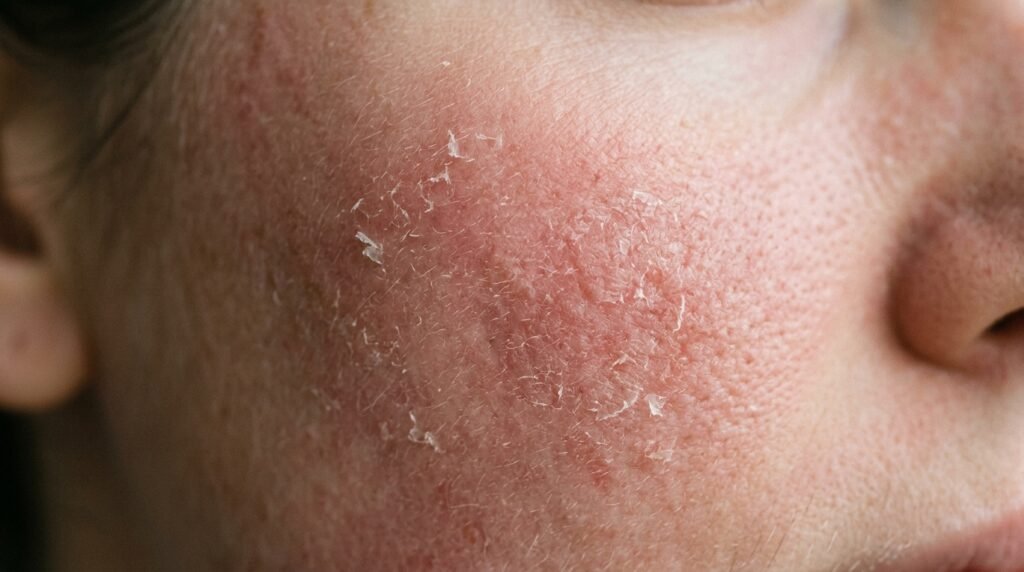
Retinol is not gentle by nature. It works by speeding up how fast your skin cells turn over. Old cells shed faster, and new cells rise to the surface sooner than normal.
This is great for fading dark spots and softening fine lines. But it also means your skin sheds its protective layer faster than it can rebuild it. For the first few weeks, many people notice:
- Redness on the cheeks or around the nose
- Flaking or peeling skin
- A tight feeling after washing your face
- Small bumps or rough patches
- Stinging when applying serum or sunscreen
A 2025 clinical patch test published on the National Library of Medicine found that combining retinol with barrier repairing ingredients like ceramides and panthenol significantly reduced irritation compared to retinol alone. This is strong proof that the moisturizer you pair with retinol is not optional. It is part of the treatment itself.
Retinol Purging vs a Damaged Skin Barrier
People often confuse these two things, so let us clear it up simply.
Purging happens when retinol pushes existing clogged pores to the surface faster. You get small pimples in areas where you normally break out, and it settles down in three to six weeks.
Barrier damage is different. Your skin feels raw, tight, and stings even from water. It shows up anywhere on your face, not just your usual breakout zones. If you see cracking, swelling, or burning pain, stop retinol and focus only on repair for a while.
Signs You Need a Barrier Repair Moisturizer Right Now
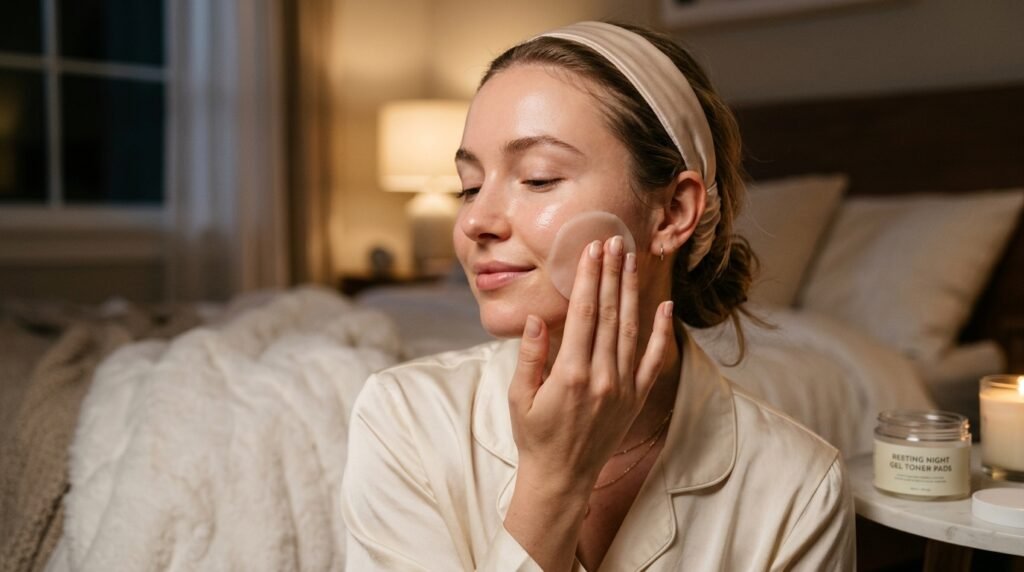
You probably need to pause and repair if you notice any of these:
- Your skin stings when you apply plain moisturizer
- Redness that does not calm down between retinol nights
- Rough or sandpaper like texture
- Skin feels tight within an hour of washing
- Products that never bothered you before now burn
If two or more of these sound familiar, it is time to slow down on actives and bring in the best moisturizer for skin barrier repair after retinol.
What to Look for in a Barrier Repair Moisturizer
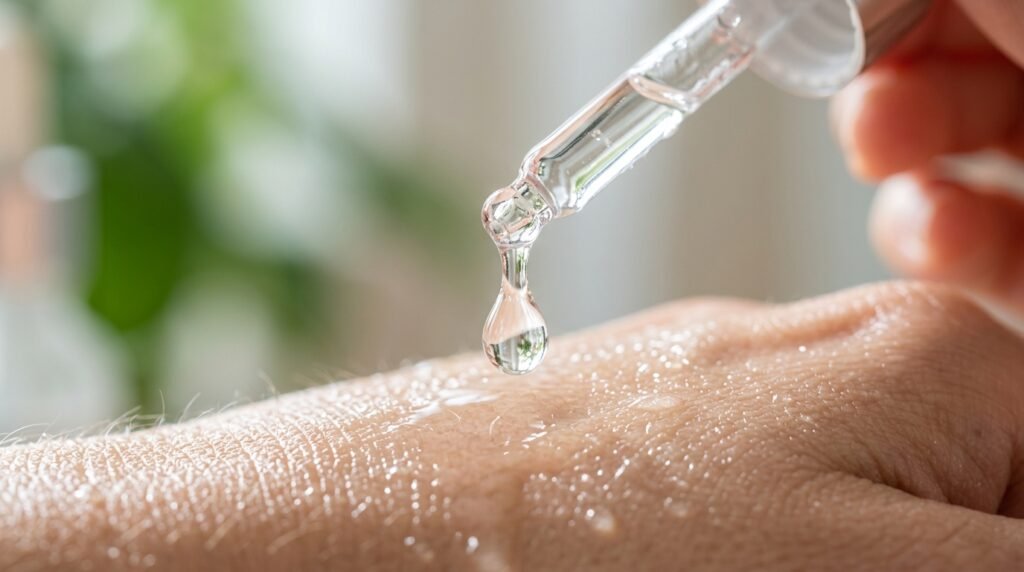
Not every moisturizer helps a damaged barrier. Some are just water with a nice smell. Here are the ingredients that actually rebuild your skin, explained in plain words.
Ceramides These are the fats that hold your skin cells together, just like cement between bricks. Research reviewed on PubMed shows ceramide based moisturizers directly support barrier recovery and reduce water loss in compromised skin.
Cholesterol and fatty acids These work alongside ceramides. Skin barrier repair works best when all three are present together in a similar ratio to what your skin naturally makes.
Hyaluronic acid This ingredient pulls water into the top layer of your skin. It hydrates but it does not rebuild the wall itself, so it works best paired with ceramides, not alone.
Niacinamide This calms redness and helps your skin barrier hold onto moisture. It also helps control oil, which is useful if you have combination or acne prone skin.
Panthenol and centella asiatica Both are known for calming irritated, reactive skin. They reduce redness and support healing without adding heaviness to your moisturizer.
Squalane and glycerin These are lightweight, non greasy hydrators. They are gentle enough for daily use, even right after retinol.
Avoid moisturizers with added fragrance, essential oils, denatured alcohol, or exfoliating acids while your barrier is healing. These ingredients feel harsh on skin that is already under stress.
Best Moisturizer for Skin Barrier Repair After Retinol by Skin Type
Here is how to choose based on your specific skin, since one product does not fit everyone.
For Dry Skin

The Ordinary Natural Moisturizing Factors + Hyaluronic Acid, Lightweight Hydrator for Skin Barrier Support & Hydration
Look for a rich cream with ceramides, cholesterol, and shea butter. Thicker creams and balms trap moisture better than thin lotions. A ceramide based face cream moisturizer applied both morning and night gives dry skin the extra cushion it needs while retinol is doing its job.
For Oily and Acne Prone Skin
You still need a moisturizer, even if your skin feels oily. Choose a gel cream texture with niacinamide and hyaluronic acid instead of heavy oils. Skipping moisturizer because your skin is oily is one of the biggest mistakes people make, and it usually backfires by making your skin produce even more oil to compensate.
For Sensitive and Reactive Skin
Pick fragrance free formulas with panthenol, centella asiatica, and a short ingredient list. Fewer ingredients mean fewer chances of triggering irritation while your barrier heals.
For Mature or Combination Skin

La Roche-Posay Toleriane Double Repair Matte Face Moisturizer, Daily Moisturizer for Oily Skin with Ceramide and Niacinamide, Oil-Free, Non-Comedogenic, Available with SPF 30
Look for ceramides paired with peptides and a slightly richer texture at night. Skin naturally loses ceramides with age, so mature skin often needs stronger barrier support than younger skin does.
Budget Friendly Option
You do not need an expensive jar to repair your barrier. A simple fragrance free cream with ceramides on the label works just as well as a premium version. What matters is the ingredient list, not the price tag.
If you are also using other actives alongside retinol, keep your routine simple. For example, if you use a vitamin C serum for sensitive skin, apply it in the morning and save retinol plus your barrier repair moisturizer for night, so the two actives never compete on the same application.
How to Apply Moisturizer With Retinol the Right Way
This part gets skipped a lot, but it changes everything. Dermatologists interviewed by Today.com explain that where you place your moisturizer in the routine depends on your skin type, not just which product you pick.
Here is the simple version, step by step:
- Wash your face with a gentle, fragrance free cleanser.
- Wait until your skin is fully dry. Damp skin absorbs retinol faster, which can increase irritation.
- If your skin is dry or new to retinol, apply a thin layer of moisturizer first.
- Apply a pea sized amount of retinol over your whole face.
- Wait two to three minutes.
- Apply your barrier repair moisturizer on top to seal everything in.
This is often called the moisture sandwich method. It buffers retinol between two layers of hydration, so your skin gets the benefits with far less sting.
In the morning, always finish with sunscreen. Retinol makes your skin more sensitive to sun, so this step is not optional.
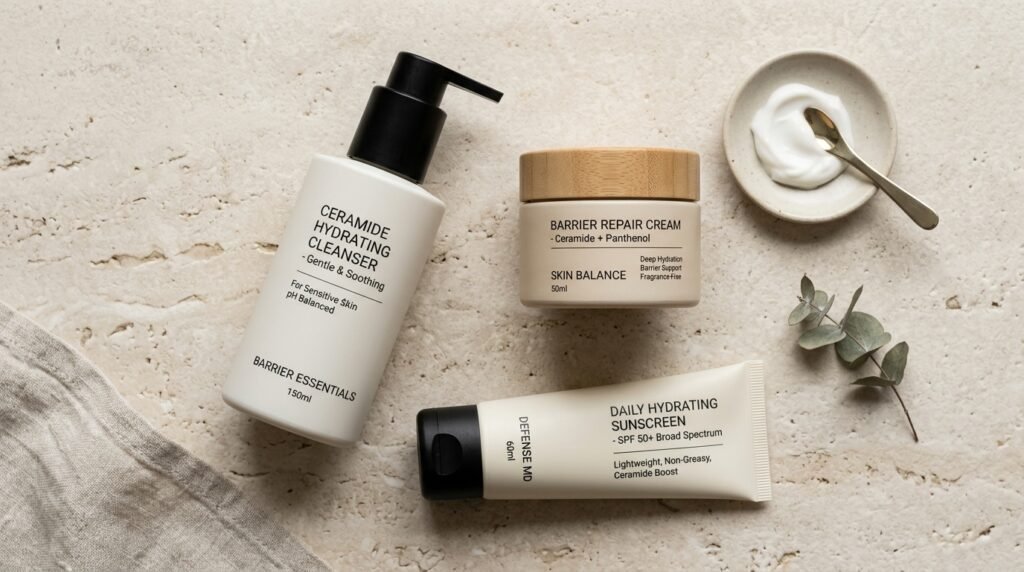
Content Gaps Most Articles Miss
Most guides online just list ten products with pretty photos and stop there. Here is what they usually leave out, and what you actually need to know.
How long barrier repair actually takes Most people see real improvement in two to four weeks of consistent care. Full recovery of a badly damaged barrier can take up to eight weeks. Be patient and do not judge a moisturizer after just three days.
When to actually stop retinol If your skin cracks, bleeds, swells, or burns with plain water, stop retinol completely. Focus only on gentle cleansing, a barrier repair moisturizer, and sunscreen for at least one to two weeks before trying retinol again, and start at a lower frequency.
Retinol strength and frequency matter more than the moisturizer A strong prescription retinoid needs a much richer moisturizer than a mild over the counter retinol serum. If you keep getting irritated no matter what you apply, the real fix might be using retinol every third night instead of every night, not switching moisturizers again.
Layering order with other actives Never apply vitamin C, exfoliating acids, or benzoyl peroxide on the same night as retinol while your barrier is healing. Space them out to different nights, or use one in the morning and the other at night.
Patch testing before full use Apply any new barrier repair moisturizer to a small patch of skin near your jaw for two nights before using it all over your face. This catches reactions early, before they spread.
Common Mistakes That Slow Down Healing
- Using a moisturizer with alcohol or fragrance while the skin is already irritated
- Over exfoliating to remove flaking skin, which only makes peeling worse
- Applying too much retinol, thinking more product means faster results
- Skipping sunscreen because retinol is used at night
- Giving up on a moisturizer after only one or two uses
A clinic guide on treating retinoid irritation notes that pausing exfoliating acids and focusing purely on hydration is usually the fastest path back to comfortable skin.
A Simple Daily Routine for Barrier Repair
Morning Gentle cleanser, hydrating serum such as one with niacinamide, ceramide moisturizer, and sunscreen.
Night (retinol nights) Gentle cleanser, wait for skin to dry, thin layer of moisturizer if skin is dry, retinol, then seal with your barrier repair moisturizer.
Night (rest nights) Gentle cleanser, hydrating serum, ceramide moisturizer.
Many people also add a soothing niacinamide toner pad on rest nights for an extra calming boost without adding another active ingredient into the mix.
If your under eye area feels extra dry from retinol, a lighter formula made for that zone, like a retinol eye cream for dark circles, can help since eye skin is thinner and needs gentler care than the rest of your face.
Why This Matters Long Term
Skin barrier repair is not just about comfort today. Editors at NewBeauty who tested dozens of formulas point out that what you apply directly after retinol affects your long term results just as much as the retinol itself. A healthy barrier means your skin can actually tolerate retinol long enough to see the benefits, instead of quitting after two irritated weeks.
One writer who documented her own retinol journey for HuffPost found that switching to a simple, ceramide rich moisturizer helped calm skin that nothing else could fix, which shows that consistency with the right basics beats chasing trendy products.
Dermatologists at the AAD also remind people that gentle, fragrance free care remains the safest long term strategy for anyone building a routine around active ingredients like retinol.
Skin that is calm and strong also handles other treatments better, including sunscreen you actually enjoy wearing, like a tinted sunscreen for oily and acne prone skin that will not sting a sensitive face.
Final Thoughts
Choosing the best moisturizer for skin barrier repair after retinol comes down to three simple things. Pick a formula with ceramides, cholesterol, and fatty acids. Apply it the right way, using the moisture sandwich method on nights you use retinol. Give your skin at least two to four weeks before judging results.
Your skin barrier is not something to fight against. It is the reason retinol can work well in the first place. Take care of it, and retinol will reward you with the smooth, even skin you are after, without the redness and flaking along the way.
Frequently Asked Questions
What is the best moisturizer for skin barrier repair after retinol?
The best moisturizer for skin barrier repair after retinol is one built with ceramides, cholesterol, and fatty acids, since these three ingredients rebuild your skin barrier the same way your skin naturally does. Look for fragrance free formulas with a rich, cushiony texture.
Should I moisturize before or after retinol?
If your skin is dry or new to retinol, apply a thin layer of moisturizer before retinol to buffer it. If your skin is normal or oily, apply retinol first, then moisturize on top to seal it in.
How long does it take to repair a skin barrier damaged by retinol?
Most people notice improvement within two to four weeks of consistent, gentle care. A severely damaged barrier can take six to eight weeks to fully recover.
Can I use vitamin C and retinol together?
It is best to avoid using them in the same routine at the same time while your barrier is healing. Use vitamin C in the morning and retinol at night, or alternate them on different nights.
Do I still need sunscreen if I use retinol at night?
Yes, always. Retinol makes your skin more sensitive to sunlight the next day, so morning sunscreen is essential even though you apply retinol at bedtime.
What ingredients should I avoid while my skin barrier heals?
Avoid fragrance, essential oils, denatured alcohol, and exfoliating acids like AHAs and BHAs until your skin feels calm again. These can slow down healing and increase irritation.
Is it normal for skin to purge from retinol, or is it barrier damage?
Purging looks like small breakouts in your usual acne areas and settles within a few weeks. Barrier damage feels like tightness, stinging, and redness anywhere on the face, and it needs a pause on actives plus extra moisture to heal.