Best Derma Roller for Beginners at Home: The Complete Simple Guide
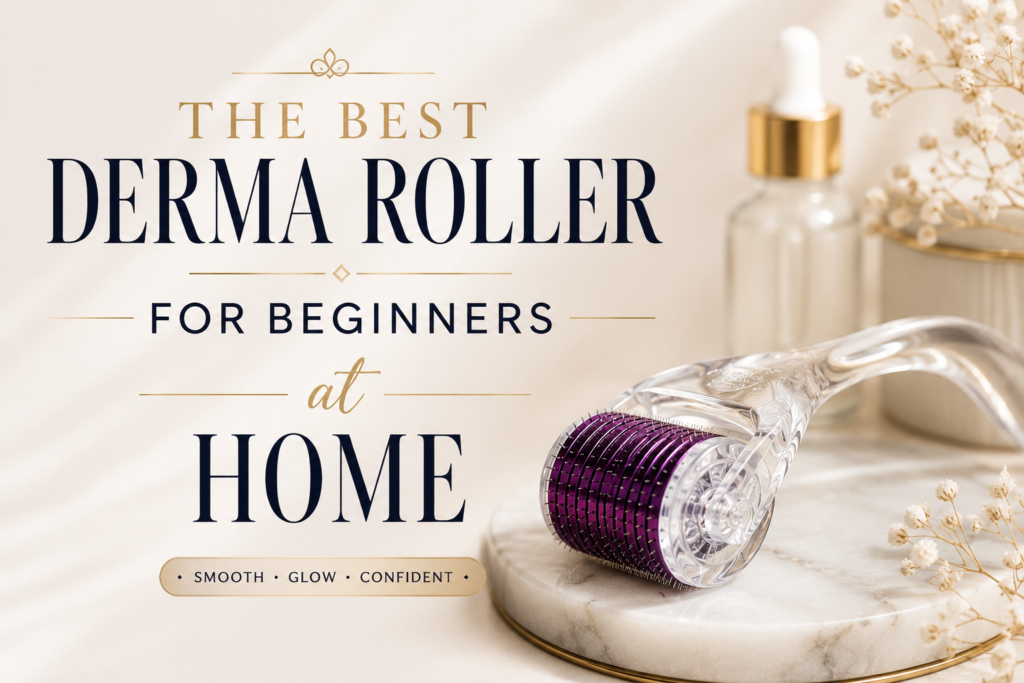
If you have ever looked at a derma roller and thought “that looks like something from a horror movie,” you are not alone. Hundreds of tiny needles rolling across your face sounds scary, but this small tool is one of the easiest ways to help your skin look smoother and more even, without stepping into a clinic.
Finding the best derma roller for beginners at home is not about picking the fanciest looking tool online. It is about picking the right needle size, using it safely, and knowing exactly what to expect so you do not hurt your skin or waste your money.
We looked through the guides already ranking for this topic, and most of them do one of two things. They either rush straight into a list of products without explaining needle sizes properly, or they get so technical that a first time user has no idea where to start. This guide fixes both problems. It explains everything in plain language, covers the safety steps most articles skip, and gives you a clear starting point.
What Is a Derma Roller and Why People Use It
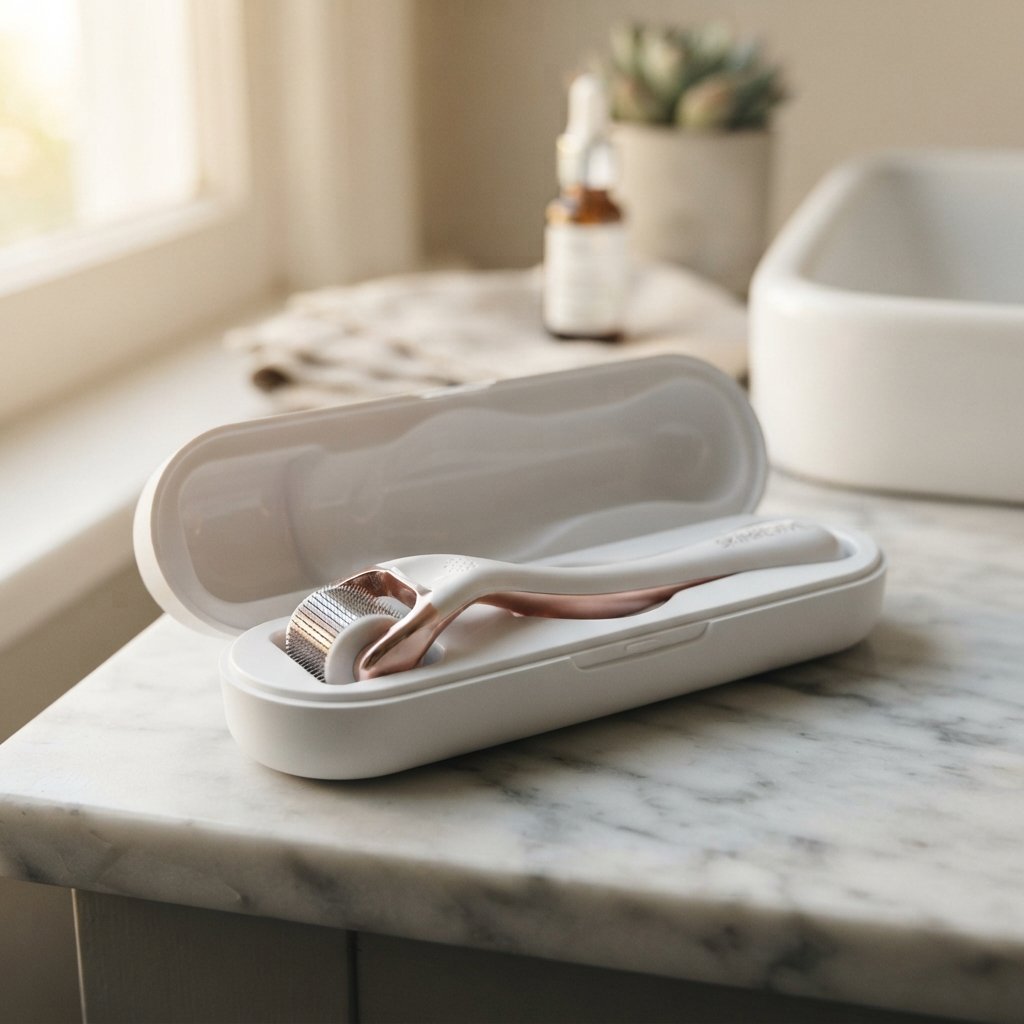
A derma roller is a small handheld tool with a roller head covered in tiny needles. When you roll it over your skin, the needles create very small, shallow pricks. This is called microneedling.
These tiny pricks tell your skin to start healing itself. Your body responds by making more collagen, the protein that keeps skin firm and smooth. Over time, this can help with:
- Fine lines
- Uneven skin texture
- Acne scars (once they are fully healed, not active breakouts)
- Enlarged pores
- Better absorption of your serums and moisturizers
This is why so many people search for the best derma roller for beginners at home, they want the skin renewal benefits of microneedling without paying for expensive clinic visits every few weeks.

Koi Beauty Professional Derma Roller, 200 Real Individual Titanium Microneedle Roller, Microneedling Roller for Face, Body & Scalp, Micro Needle Beauty Tool for Men & Women
Needle Size: The Most Important Thing Most Guides Rush Through
This is where a lot of beginner guides fail. They mention needle size once and move on. But this number is the single most important thing to get right.
- 0.25mm: The safest size for total beginners. This size mainly helps your skincare products absorb better and gently wakes up skin cell turnover. You can use this two to three times a week.
- 0.5mm: This is considered the real starting point for collagen stimulation. It reaches a bit deeper into the skin. Use this once every two to four weeks, not more often.
- 1.0mm and above: This depth is closer to a clinical treatment. It is not recommended for home use unless you fully understand the risks and have guidance from a professional.
If you are just starting out, begin with 0.25mm. Once your skin gets used to it, you can move up to 0.5mm. Do not skip straight to a longer needle just because it sounds like it will work faster. Longer needles mean more downtime, more redness, and a higher chance of doing it wrong.
Titanium vs Stainless Steel Needles

22pcs Tattoo Needle Tips, Stainless Steel Tips Set, Mixed 3RL, 5RL, 7RL, 9RL, 11RL, 13RL, 15RL & 18RL
Most derma rollers use one of these two materials.
- Titanium needles: More durable and hold their sharp point longer. They tend to last through more uses before they need replacing.
- Stainless steel needles: Very sharp out of the box and considered highly sterile, but they can dull a bit faster with repeated use.
Either material works well for beginners. What matters more is buying from a trusted seller and never reusing a roller past its recommended lifespan, which is usually three to five uses for most home rollers.
How to Use a Derma Roller for Beginners at Home, Step by Step
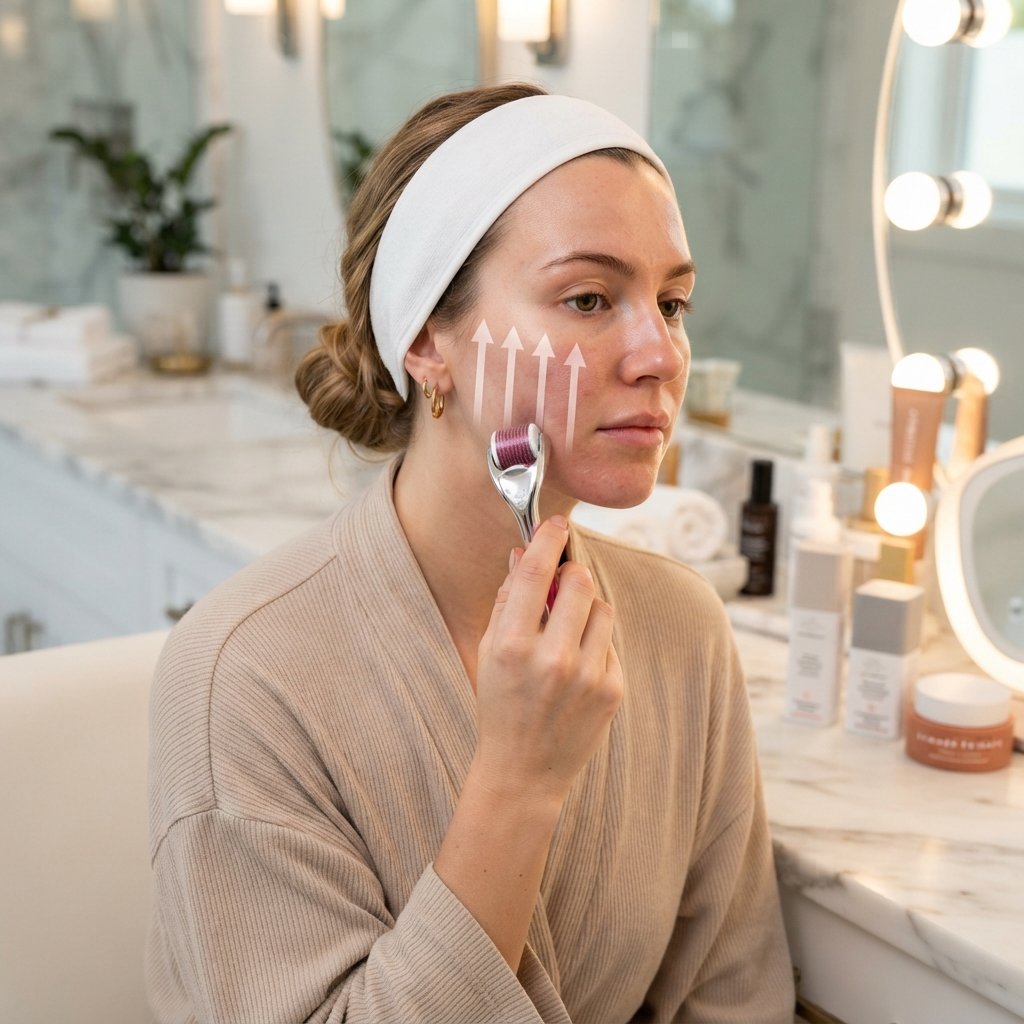
This is the part almost every competitor article skips or rushes. Here is the full, simple process.
- Start with a clean face. Wash your face and pat it dry. Do not apply any active ingredients like retinol or acids before rolling.
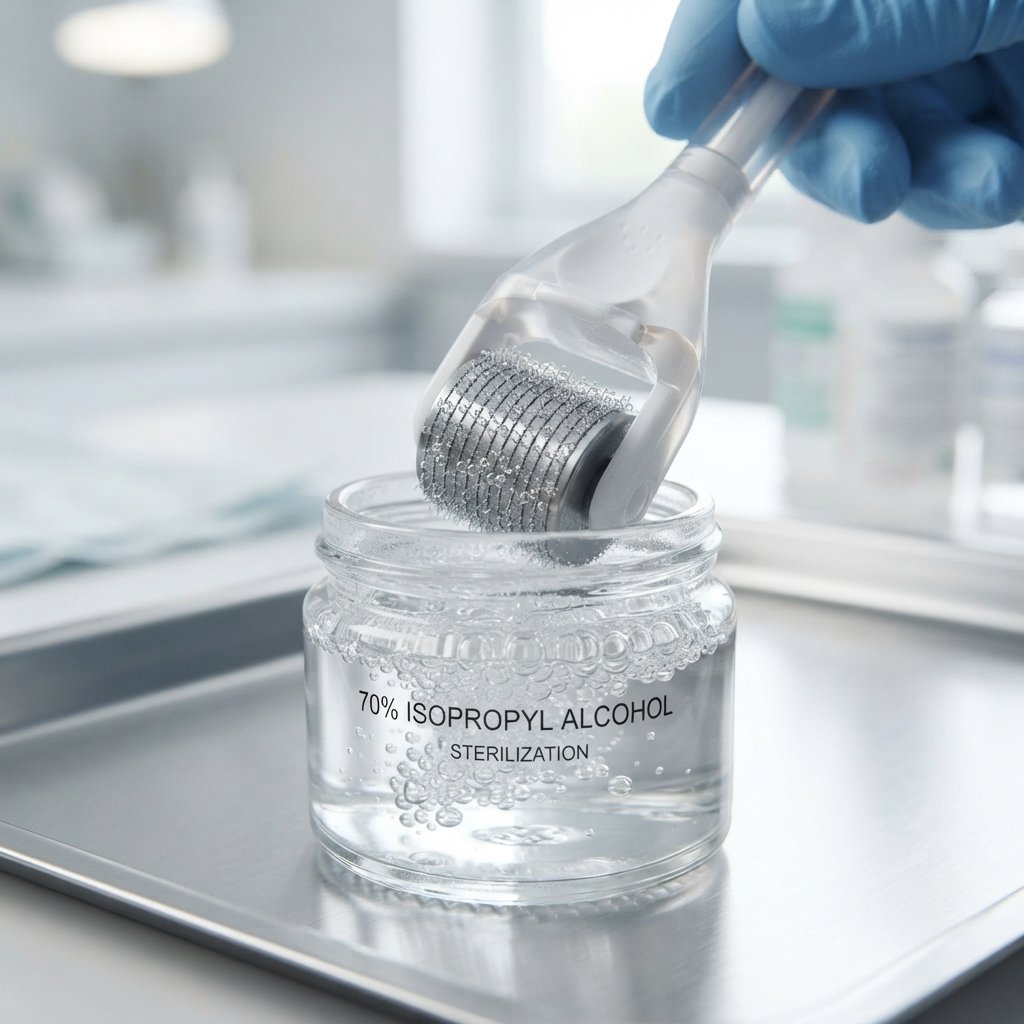
- Sanitize the roller. Soak the needle head in 70 percent isopropyl alcohol for a few minutes before every single use.
- Roll gently. Move the roller in one direction, then lift and repeat, rather than scrubbing back and forth. Cover each area about four to six times, using light pressure only.
- Move section by section. Do your forehead, then cheeks, then chin, then jawline. Avoid the eye area completely.
- Apply a soothing serum right after. This is when your skin absorbs products best. A hyaluronic acid serum works well here.
- Skip actives for 24 hours. No retinol, no vitamin C, no exfoliating acids for at least a day after rolling.
- Clean the roller again after use and let it air dry fully before storing it in its case.
Content Gaps Most Guides Miss
Here is where we go further than the articles currently ranking for best derma roller for beginners at home.
When You Should Not Use a Derma Roller
Most product roundups skip this entirely, but it matters just as much as the product itself. Avoid derma rolling if you have:
- Active acne breakouts or open pimples
- Cold sores or active skin infections
- Eczema or psoriasis flare ups in the area
- Very sensitive or broken skin
- Recently used strong actives like retinol in the last day or two
If you are unsure whether microneedling is right for your skin, it is worth checking with a dermatologist first, especially if you have a diagnosed skin condition.
What Results Actually Look Like, and When
This is another gap. Many articles promise smooth skin without saying how long it takes.
- First few uses: Mild redness for a few hours, similar to light sunburn. This is normal.
- Two to four weeks: Slightly smoother texture and better product absorption.
- Eight to twelve weeks: More noticeable changes in fine lines and scar texture, since collagen renewal takes time.
Derma rolling is not an overnight fix. It works slowly because it relies on your own skin’s healing process.
How to Clean and Store Your Roller Properly
A dirty roller is one of the biggest risks of at home microneedling. Clean it before and after every use with alcohol, never share it with anyone else, and replace it once the needles feel dull or bent, even if you have not hit the usual replacement count yet.
Pairing Your Roller With the Right Products
Right after rolling, your skin can absorb products more deeply than usual, so this is not the moment for harsh ingredients. A gentle, hydrating serum works best here. If you already use a vitamin C serum for sensitive skin, save it for another time of day instead of right after rolling, since it can sting on freshly treated skin.
If your skin barrier feels dry or tight afterward, a moisturizer made for skin barrier repair helps calm things down. For your regular routine on non rolling days, gentle exfoliating products like niacinamide toner pads can support smoother texture between sessions.
Best Derma Roller Products for Beginners
Here are four solid picks to start your search, based on needle size, material, and how beginner friendly they are.
- 0.25mm titanium derma roller: A gentle starting size, good for weekly use and easing your skin into microneedling.
- 0.5mm derma roller with travel case: A good next step once your skin has adjusted to the 0.25mm size.
- Hyaluronic acid serum for post roller use: A hydrating, gentle serum to apply right after rolling.
- 70 percent isopropyl alcohol spray: Needed for sanitizing your roller before and after every session.
For extra facial care between microneedling sessions, some beginners also add a gentle LED facial massager to their routine, or explore a sonic dermaplaning tool for smoother skin on the days they are not rolling.
Practical Tips for First Time Users
- Do a patch test on your jaw before rolling your full face for the first time
- Never roll over active breakouts, only healed areas
- Keep sessions short, two to three minutes is enough
- Write down your rolling dates so you do not overdo the frequency
- Stop immediately if you notice unusual bleeding, swelling, or pain that does not fade
Frequently Asked Questions
What is the best derma roller for beginners at home?
For most beginners, a 0.25mm titanium or stainless steel roller is the safest starting point. It helps product absorption and gently supports skin renewal without the downtime of longer needles.
How often should a beginner use a derma roller?
A 0.25mm roller can be used two to three times a week. A 0.5mm roller should only be used once every two to four weeks to give your skin time to heal between sessions.
Does derma rolling hurt?
At 0.25mm, most people feel a light scratching sensation, not real pain. Longer needles can feel more uncomfortable, which is another reason beginners should start small.
Can I use a derma roller with acne?
Only on skin that has fully healed. Never roll directly over active, inflamed, or open acne, since this can spread bacteria and make things worse.
How long until I see results from a derma roller?
Most people notice smoother texture within two to four weeks, with more visible changes to fine lines and scars around eight to twelve weeks of consistent, safe use.
Do I need a numbing cream for a beginner derma roller?
No. Numbing cream is usually only needed for longer needles used in clinical settings. A 0.25mm or 0.5mm roller at home should not require numbing.
Final Thoughts
Picking the best derma roller for beginners at home really comes down to three things, a small needle size to start, a clean and careful routine, and patience while your skin does the slow work of renewing itself. Skip the guides that push you straight to longer needles or skip the safety steps altogether.
Start small, stay consistent, and keep your roller clean. That is really all it takes to get this simple tool working well for your skin.
For more background on needle sizes and safety from dermatologists, see this derm recommended derma roller roundup, this guide on choosing needle length, and this derma roller safety breakdown. You can also read more on what dermatologists say about at home microneedling, see a full collagen stimulation testing guide, and check a wide roller option for larger areas if you are also interested in using one on your scalp or beard.